Slow Travel Guides🌎 Medellín
Working From Somewhere Else: The Practical Obstacles
Remote work abroad fails on time zones, tax and connectivity far more often than on scenery.
Slow Travel Editorial
August 21, 2026Remote work abroad fails on time zones, tax and connectivity far more often than on scenery.
Italy's long-stay value is in the cities nobody visits, where a month costs what a week costs in Florence.
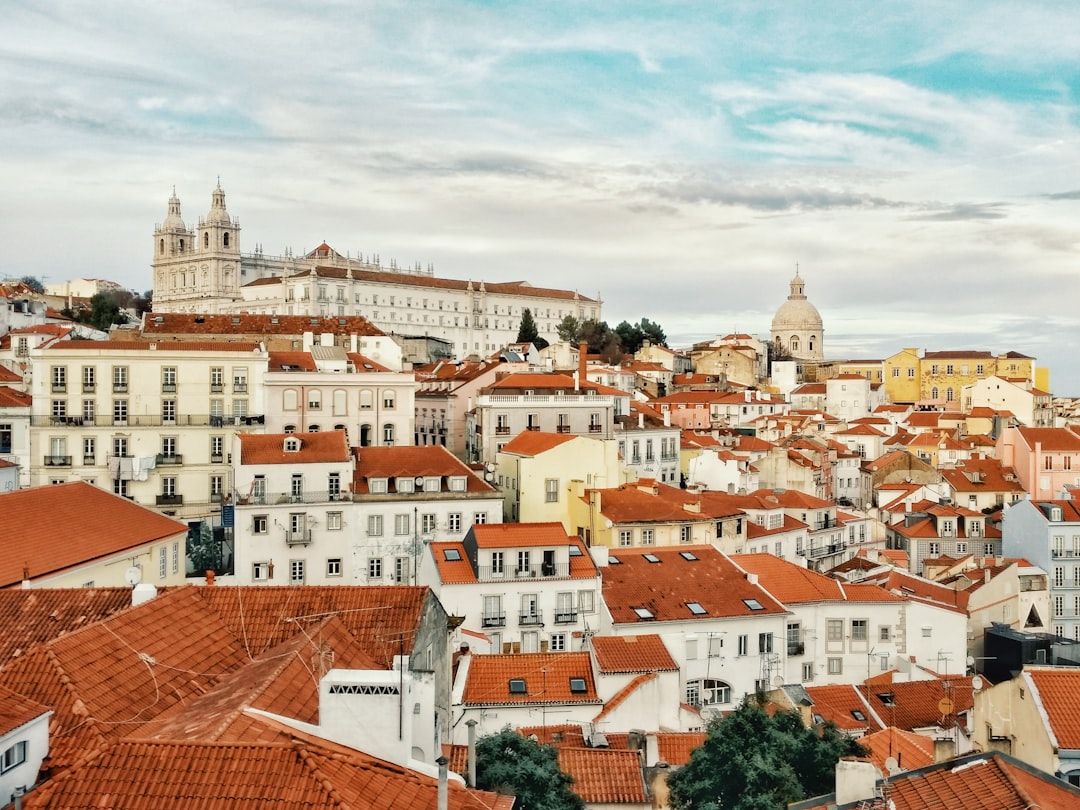
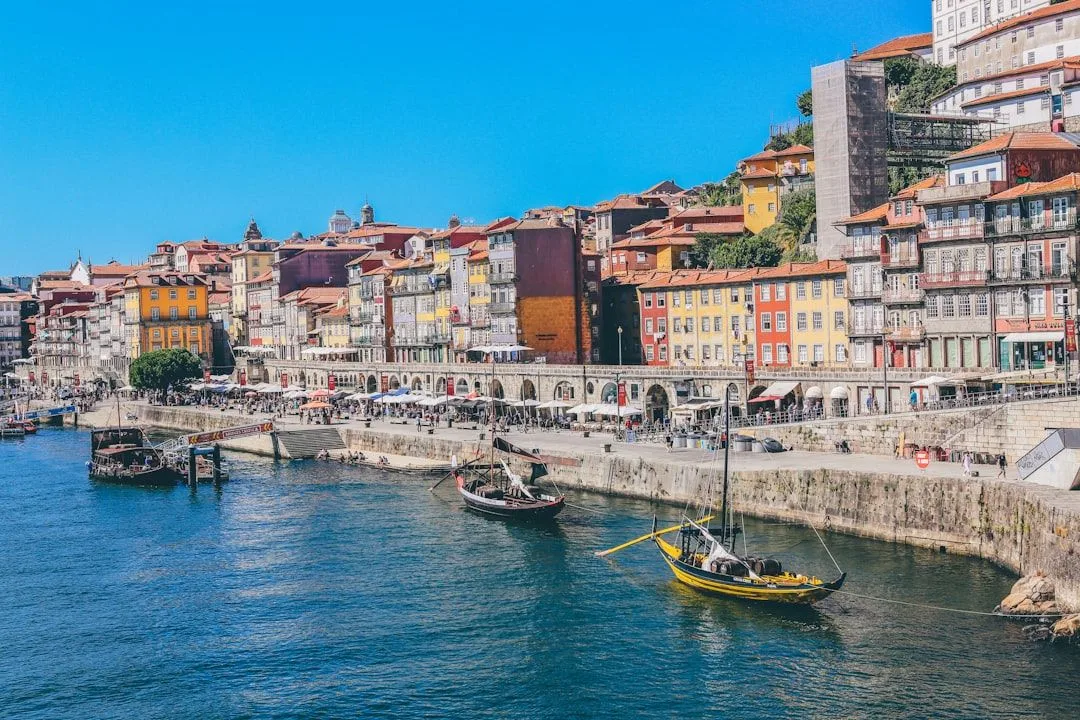
Portugal's long-stay reputation was built on prices that Lisbon and Porto no longer have.
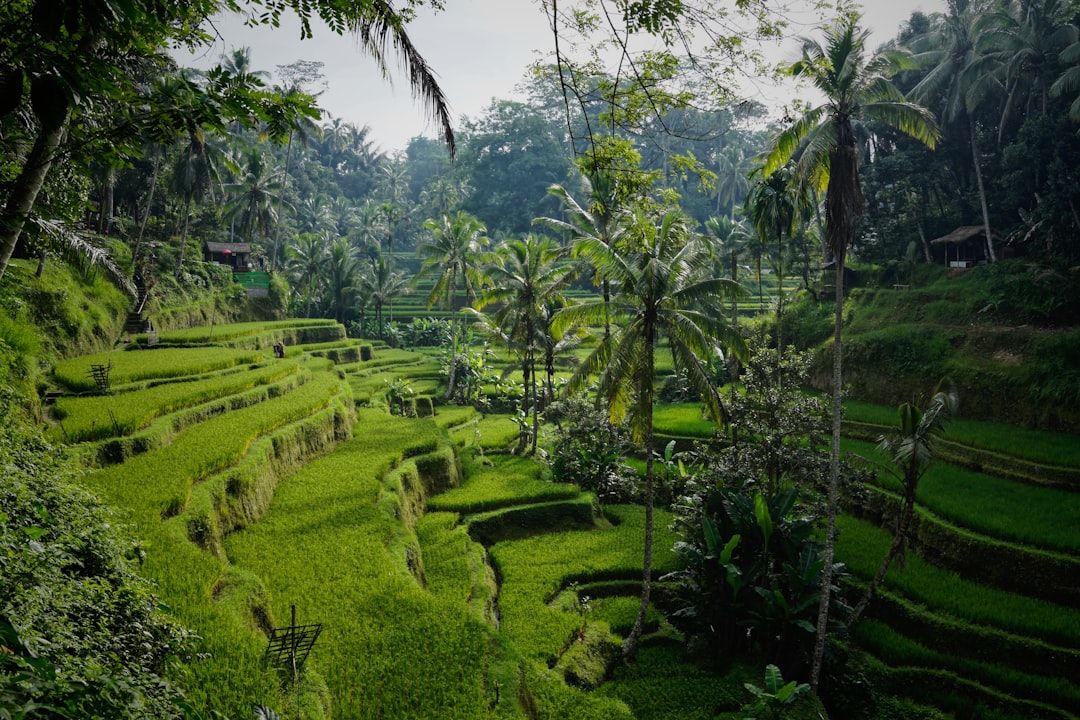
Bali's regions are entirely different places, and the visa rules are the thing most long-stayers get wrong.
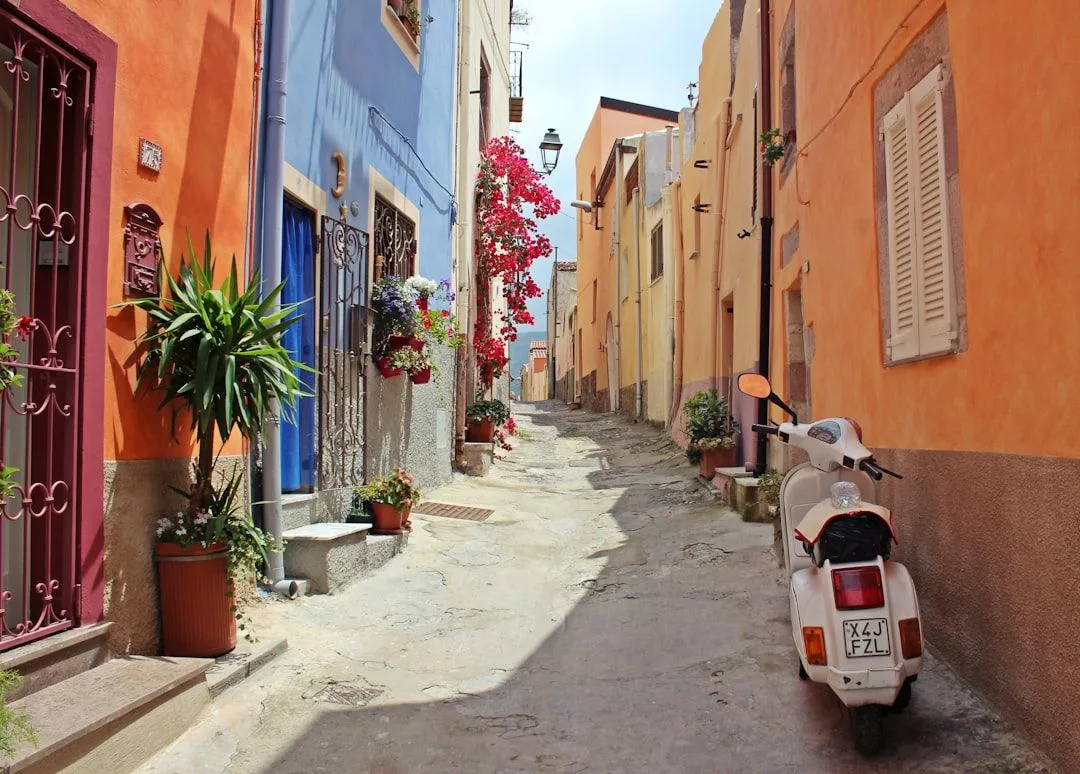
France's long-stay value is in the regional cities and the countryside, where a month costs a Paris fortnight.
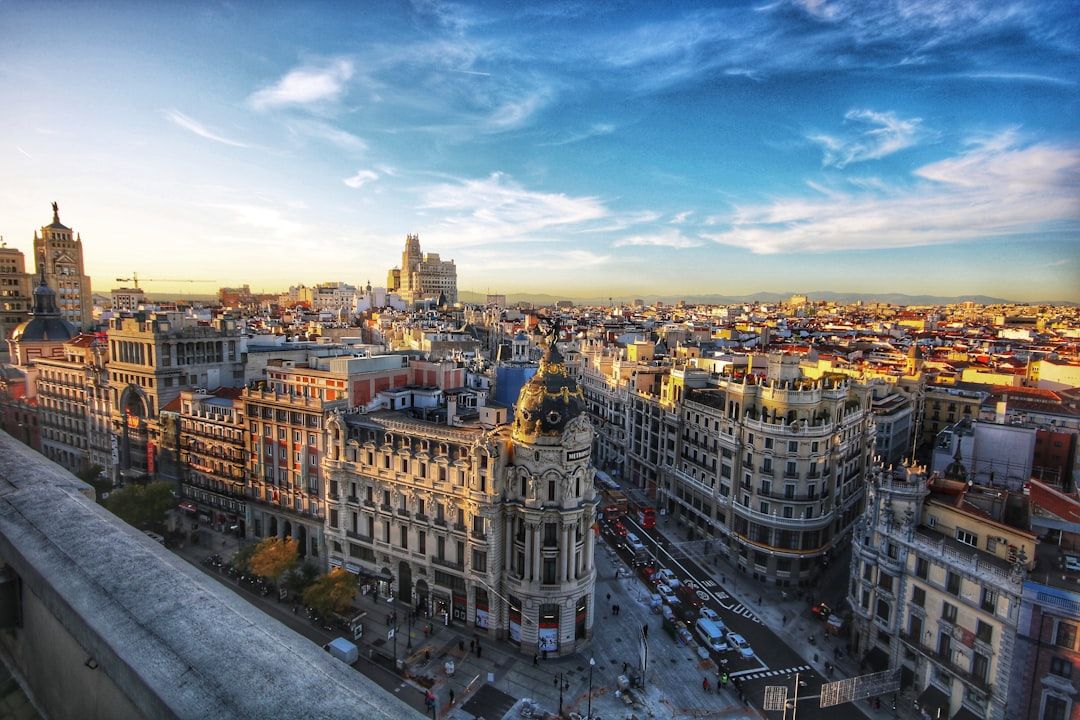
Spain's long-stay value sits inland, in cities with universities and no visitors.
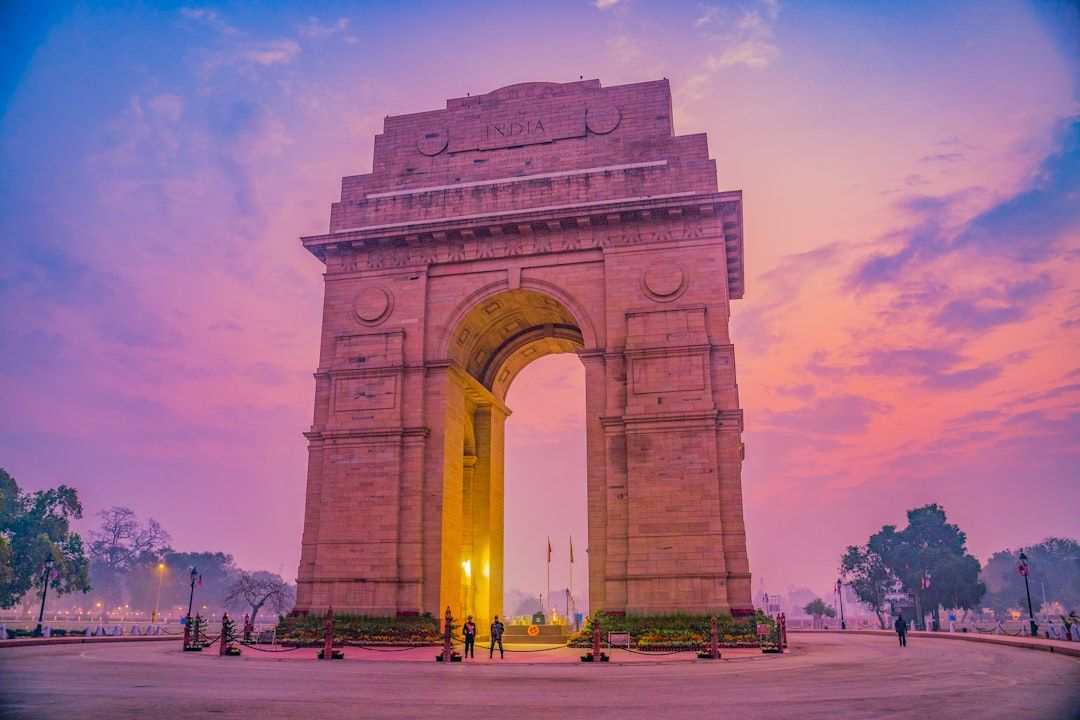
India is a subcontinent, and a month spent moving across it produces a blur rather than an understanding.

Greek island long stays run on a seasonal calendar that shuts most of the infrastructure for half the year.
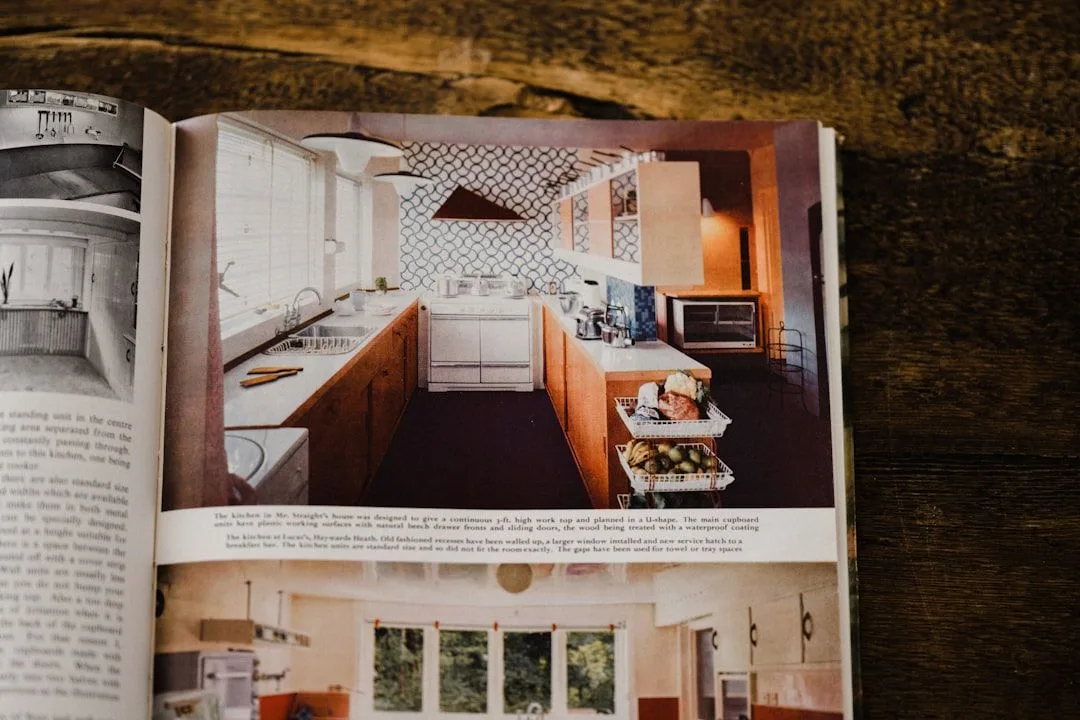
Mexico's climate is set by elevation rather than latitude, which is why a tropical country has cities that need a jumper.
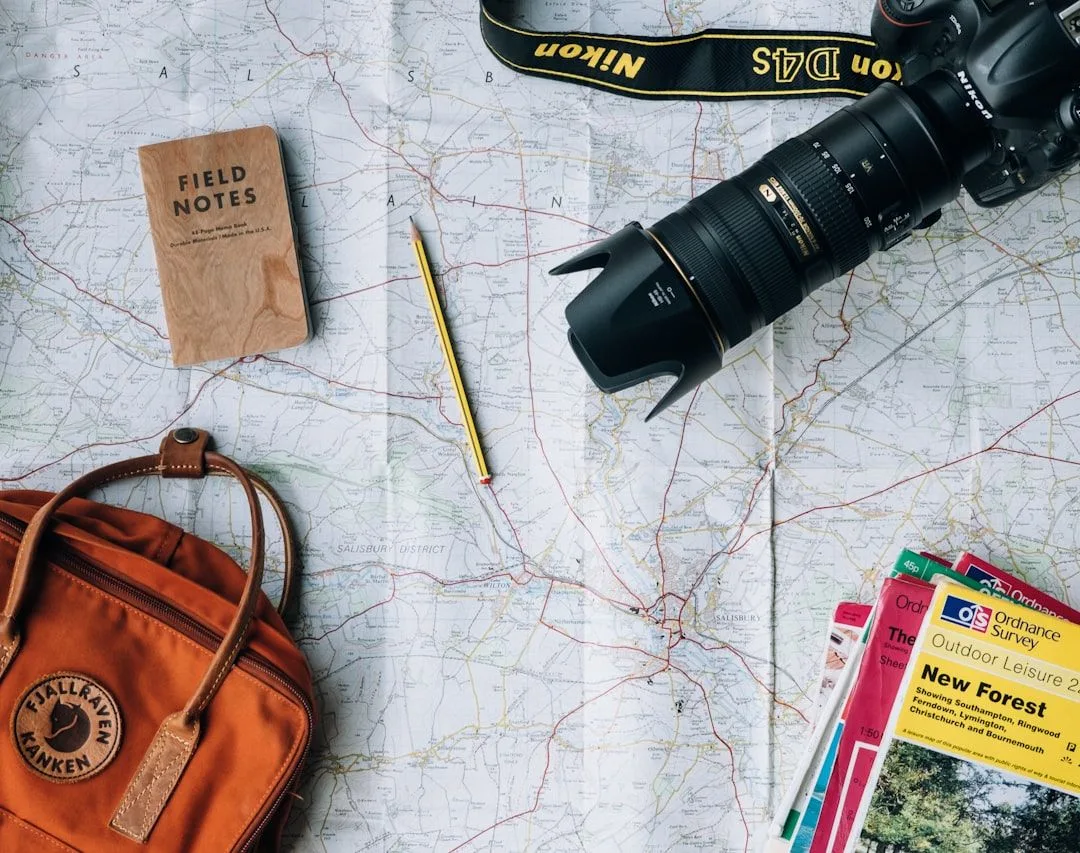
Some destinations give almost everything in three days, and some only start after two weeks.

Every place has a layer built for visitors and a layer underneath it, and getting through takes specific moves rather than time.
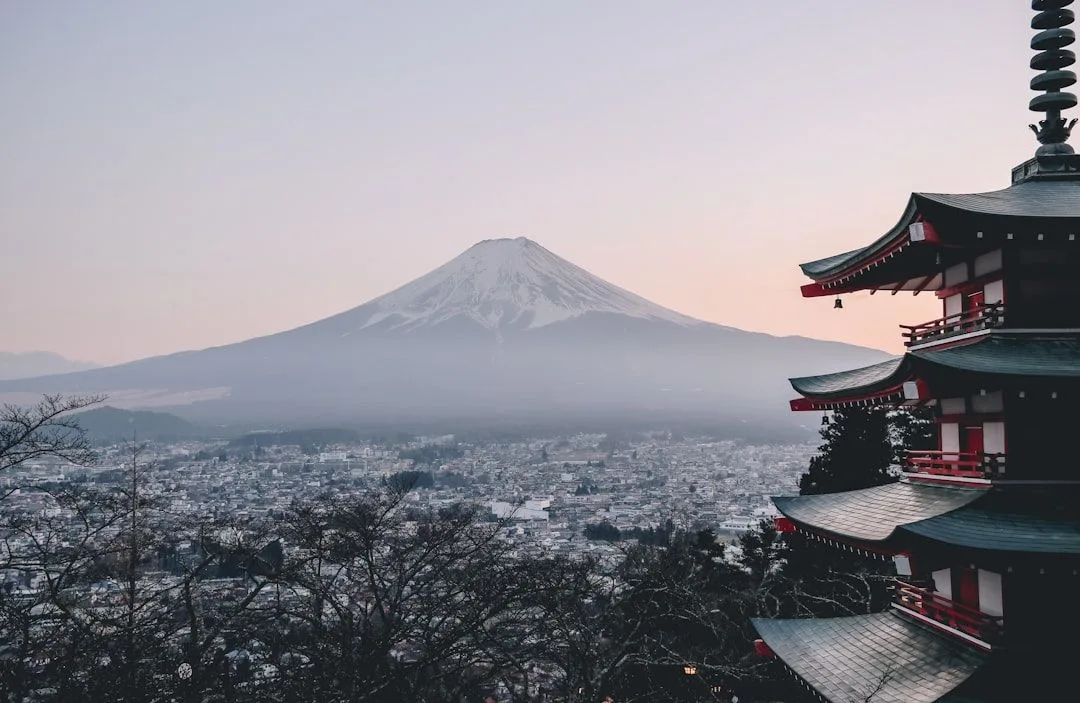
Thailand's long-stay geography is straightforward until you account for the two months when the north is unbreathable.
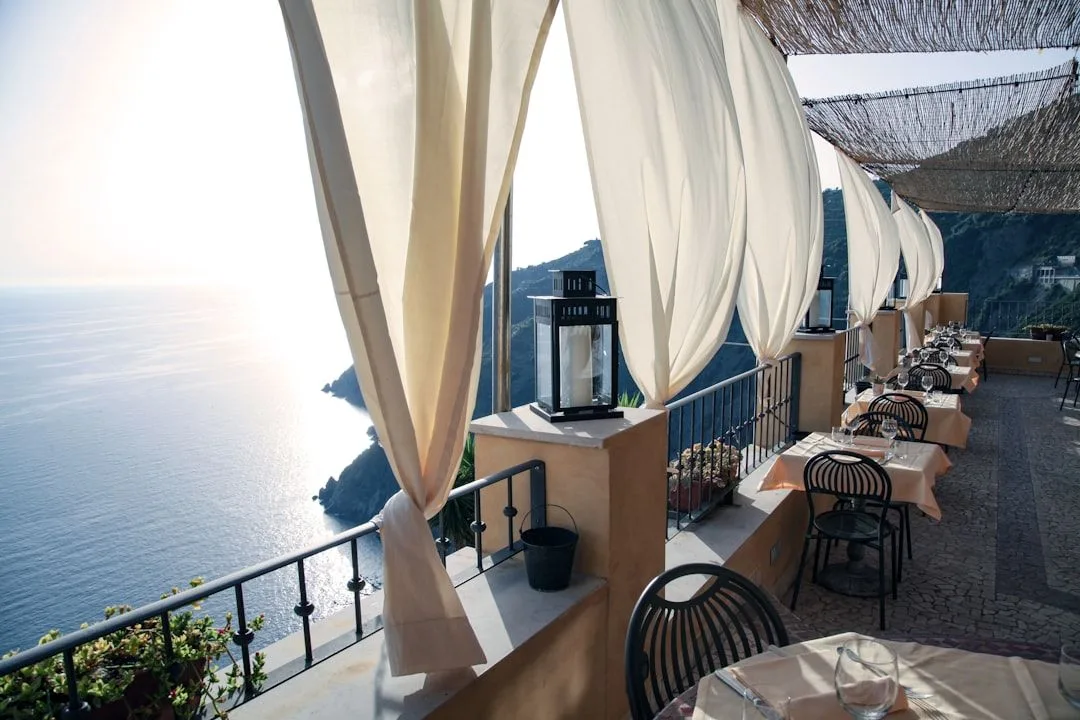
A month somewhere is more interesting with a reason to be there, and a course provides structure, people and a routine.
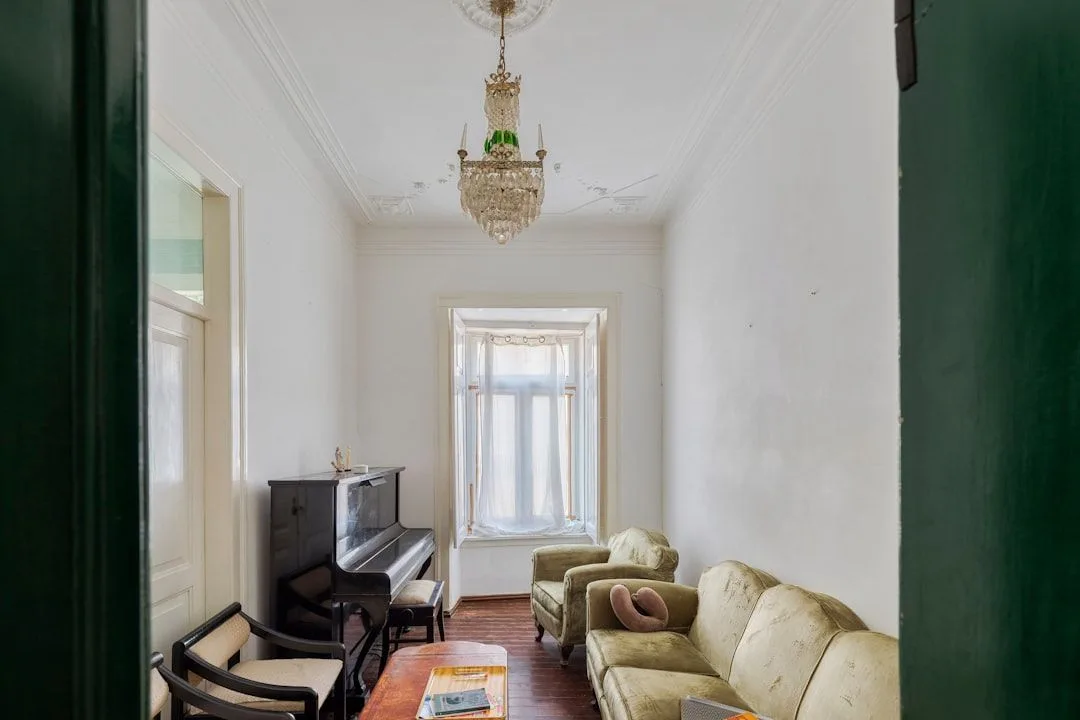
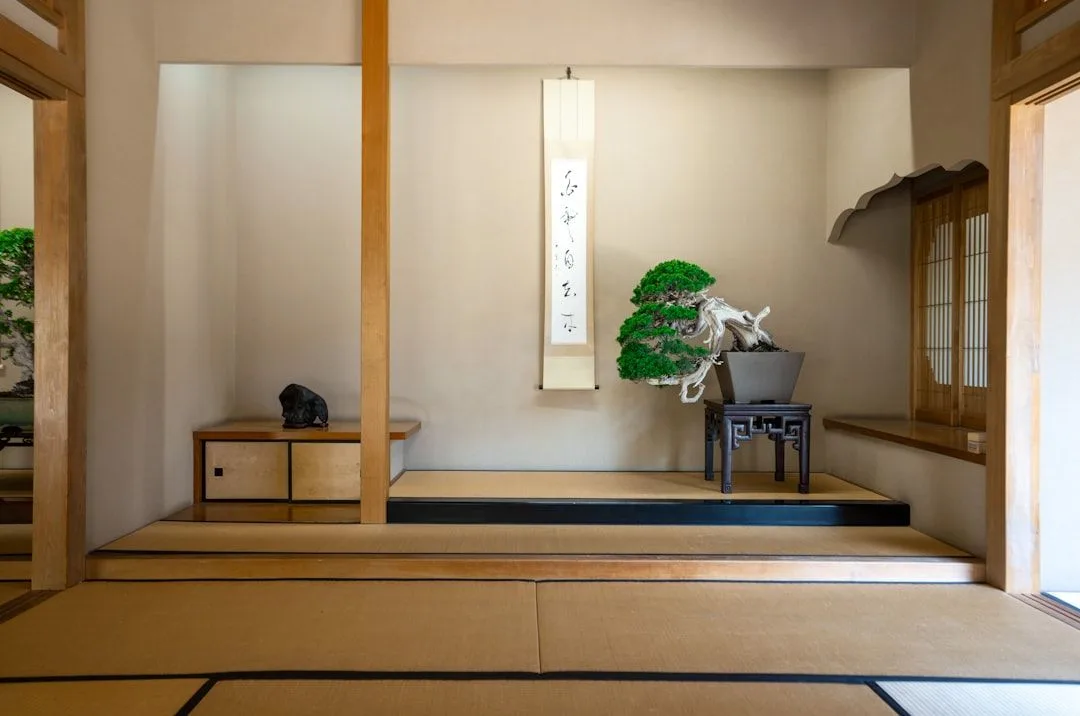
Japan rewards staying still more than most countries, because the density of what is walkable from one address is unusual.
A month in one place is a different activity from four weeks of travel, and the costs and admin change accordingly.