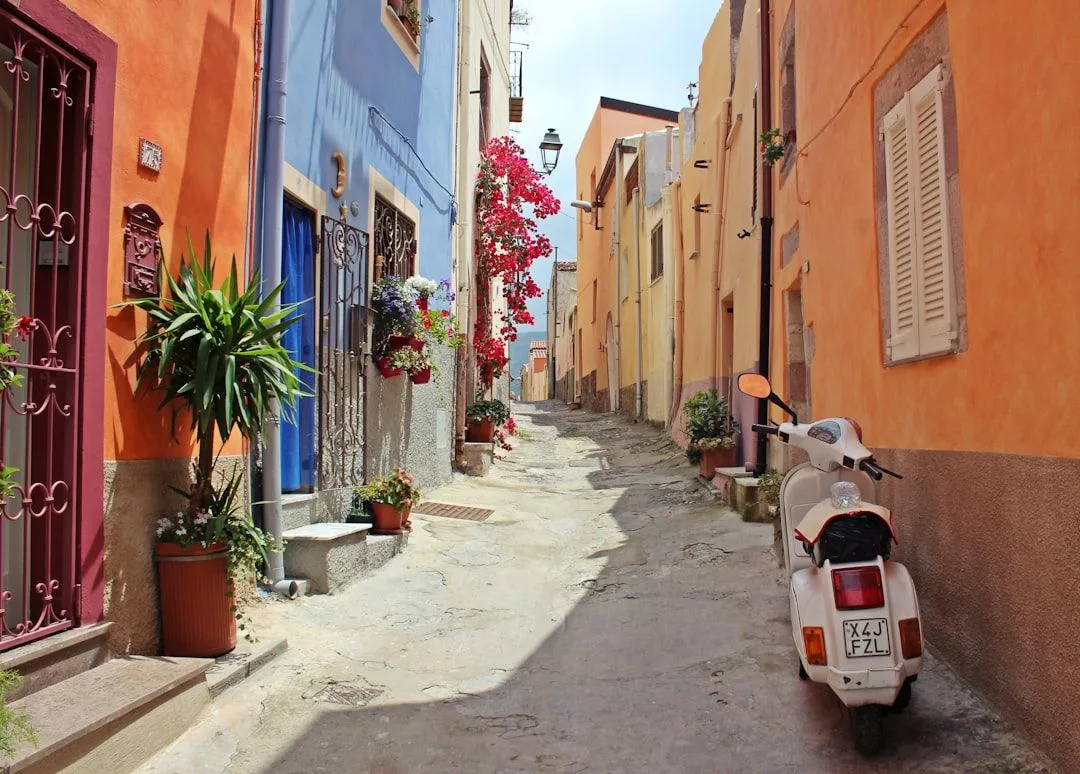
France's long-stay value is not in Paris. The regional cities and the countryside cost half as much, and the rural rental system is unusually well developed.
The cities worth a month
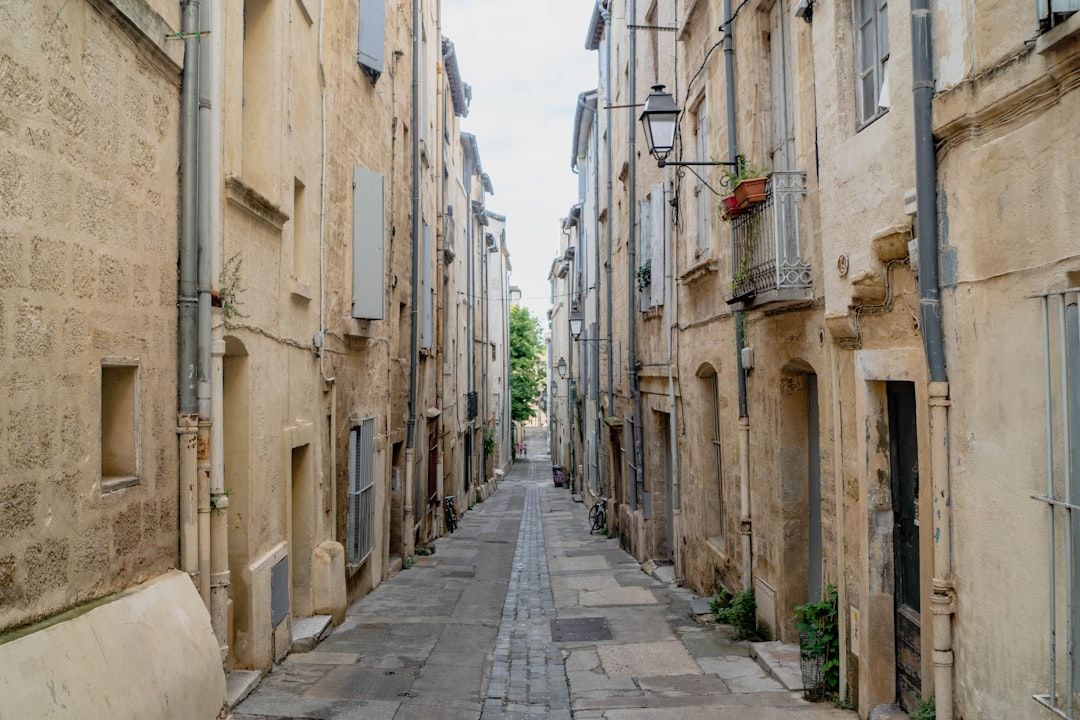
Montpellier — a large student population, a compact medieval centre, the Mediterranean twenty minutes away, and one of the cheapest big cities in France.
Toulouse — pink brick, the Canal du Midi, aerospace industry money, and a serious food culture.
Lyon — the food capital, with the Alps two hours away and Beaujolais and the Rhône valley on the doorstep.
Nantes — the Atlantic west, with an arts scene built into a former shipyard.
Strasbourg — half German in character, with the Vosges and the Black Forest close.
Bordeaux — expensive by regional standards and cheap by Parisian ones, with the Atlantic coast and the Dordogne nearby.
The gîte system
Self-catering rural accommodation — usually a converted farm building or village house — rented by the week or month under a long-established French system.
Off-season monthly rates are frequently very low, which makes rural France one of the cheaper long-stay options in western Europe.
The trade-off is that you need a car, and rural bus services are sparse and thin further outside school terms.
Finding a rental
Leboncoin is the dominant classifieds site and carries most of the supply.
Conventional French leases require a guarantor and substantial documentation, which is impractical for a visitor — which is why furnished lets (meublé) and gîtes are the realistic routes.
Short-let platforms with monthly discounts are the low-friction option and cost more.
What a month costs
| Item | Regional city | Paris |
|---|---|---|
| One-bed monthly rental | €600–950 | €1,200–2,000 |
| Rural gîte, off-season | €450–800 | — |
| Food, cooking mostly | €280–380 | €350–450 |
| Transport pass | €35–50 | €86 Navigo |
| Formule midi lunch | €13–17 | €16–22 |
Markets — every French town has one on fixed days, and produce there costs less than the supermarket while being considerably better.
The formule midi — two courses at lunch — is roughly half the evening price for the same food.
The closures
Mid-August — small businesses in rural areas close for two to three weeks. In a village this can mean the bakery, the restaurant and the shop all shut simultaneously.
Sunday and Monday, year round, in smaller towns.
The long lunch — many shops close from noon to two or later, particularly in the south. Arriving at 12:30 to buy something is a lesson learned once.
Planning the week around market days and closures is most of what adapting to French rural life involves.
The rhythm
The boulangerie daily, which is not a cliché — bread is bought fresh and the shop knows you within a week.
The apéro, early evening, which is the sociable hour.
The market, twice a week, which becomes the structure of the week.
Practical
90-day Schengen rule for non-EU visitors, counted across the whole area.
France has long-stay visa routes whose requirements change; check official sources.
Heating in old stone houses is expensive and frequently inadequate — ask specifically for a winter stay.
A car for anywhere rural, rented locally rather than from Paris.