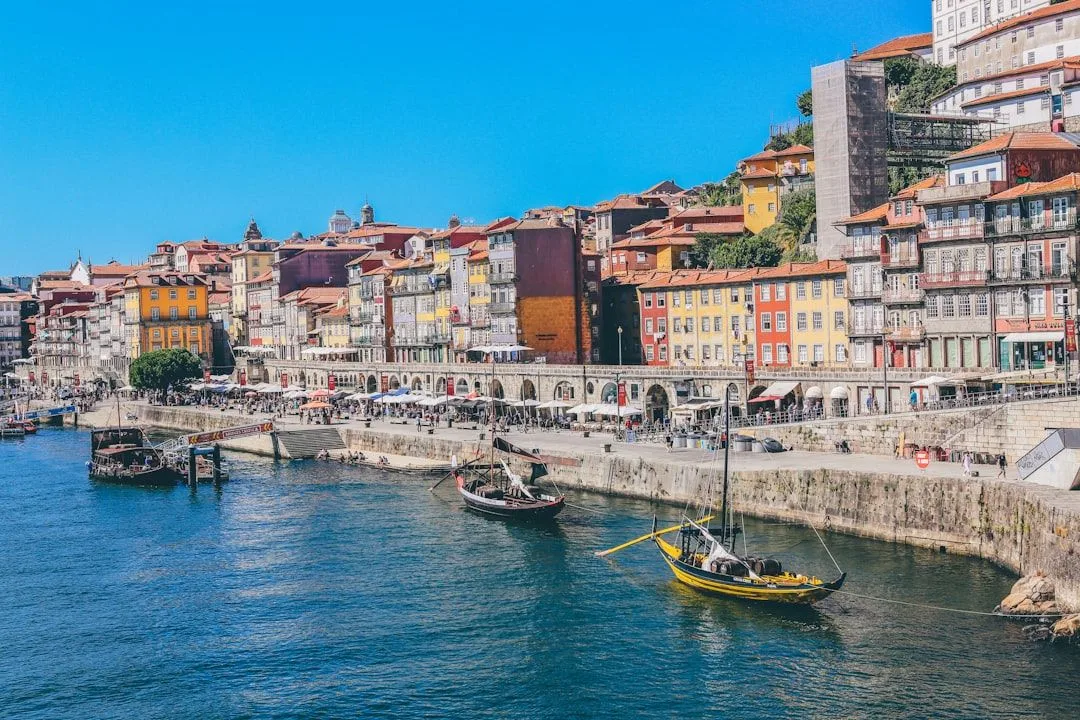
Italy's long-stay value is not in Florence or Venice. It is in the cities with real populations, where a month costs what a week costs in the famous ones.
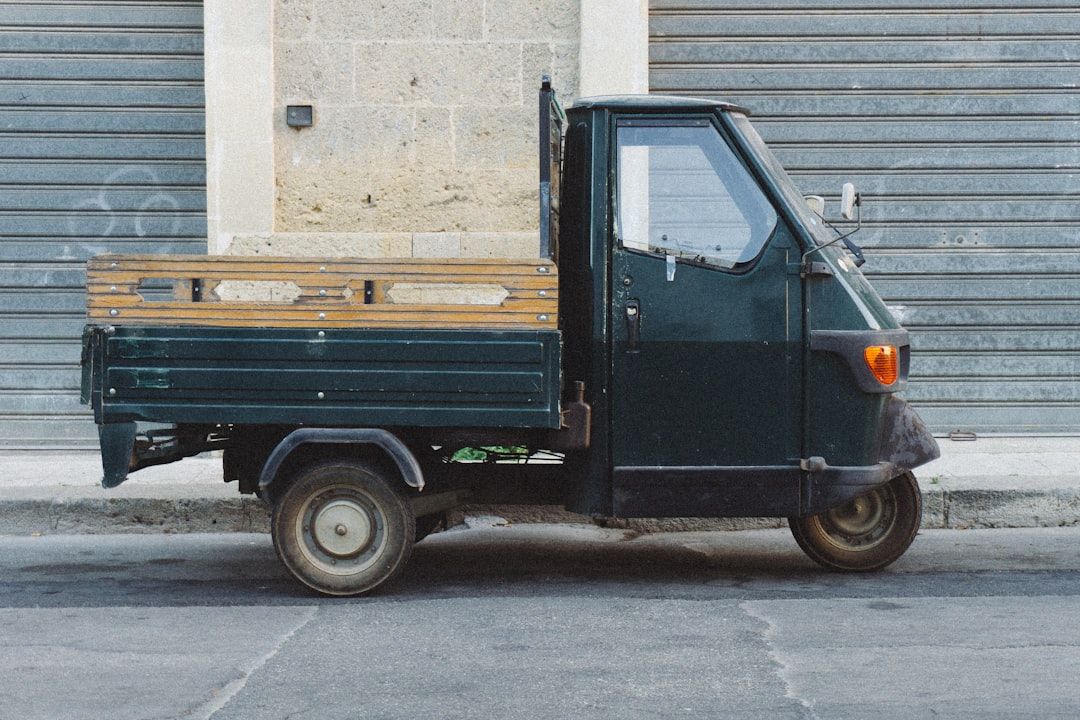
The cities worth a month
Bologna — the food capital, 40 km of porticoes, a large student population, and a rail hub putting Modena, Parma, Ravenna and Florence within an hour. Expensive by southern standards and cheap by Tuscan ones.
Lecce — baroque in soft limestone, in Puglia, with the Salento coast half an hour away. Very cheap and a proper city rather than a preserved centre.
Palermo — markets, Norman-Arab architecture, the best street food in Italy, and the lowest costs of any major Italian city.
Turin — baroque arcades, the Egyptian Museum, an aperitivo culture with substantial free food, and the Alps visible from the street.
Genoa — the largest medieval old town in Europe, a working port, and almost no international visitors.
Trieste — Habsburg architecture, a coffee house culture, and a border-city feel unlike the rest of Italy.
Finding a rental
Idealista and Immobiliare alongside the short-let platforms.
Italian sites carry supply that never appears internationally, at considerably lower prices. The trade-off is dealing in Italian, a deposit, and sometimes a codice fiscale.
Short-let platforms with monthly discounts are the low-friction option and cost more.
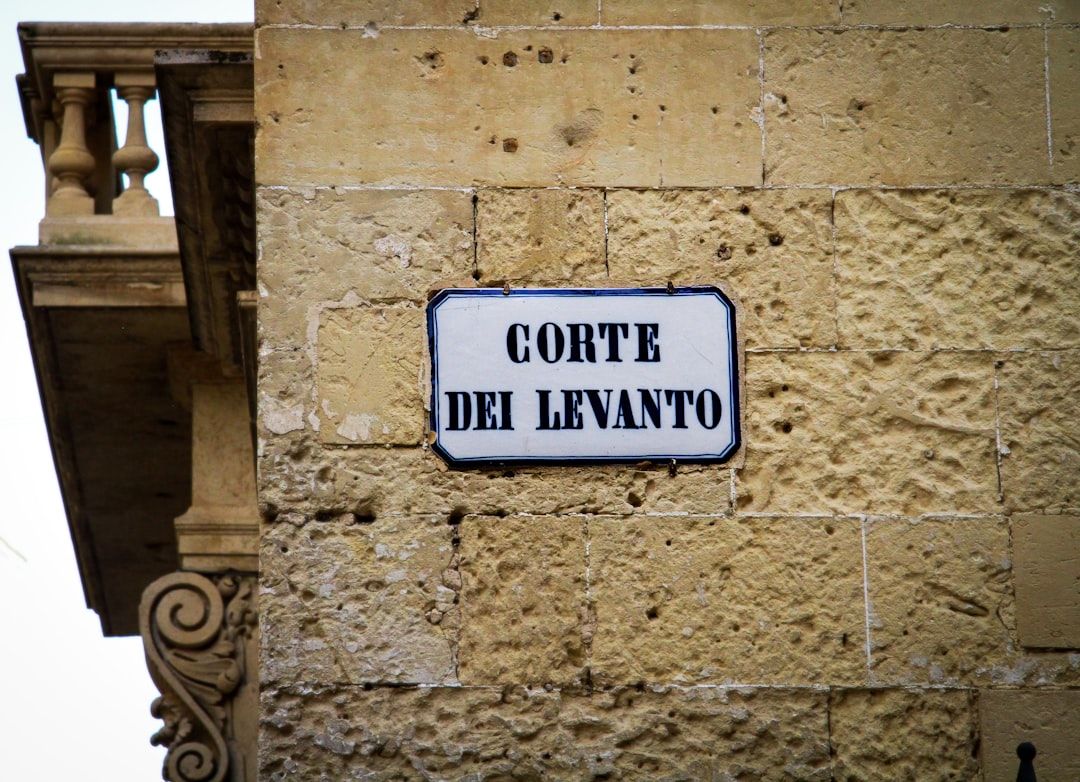
The codice fiscale
An Italian tax identification code, issued free by the revenue agency.
Needed for many everyday transactions — some rental contracts, utility accounts, phone contracts, and occasionally online purchases.
Non-residents can obtain one, and it is worth doing early in a long stay rather than when something blocks.
What a month costs
| Item | Southern city | Northern city |
|---|---|---|
| One-bed monthly rental | €500–800 | €800–1,300 |
| Food, cooking mostly | €250–350 | €300–400 |
| Transport pass | €30–40 | €35–50 |
| Coffee standing | €1.20 | €1.20–1.50 |
Markets — every Italian town has one, several mornings a week, and produce there costs a fraction of supermarket prices.
The rhythm
The passeggiata — the evening walk, which happens in every Italian town and is the closest thing to a national institution. Joining it is how you start recognising people.
The bar, in the Italian sense — coffee standing in the morning, aperitivo in the evening, and it becomes yours within a fortnight.
Sunday is family day and much closes. Plan around it rather than being surprised weekly.
What is harder
Bureaucracy is genuinely slow, and this is not a stereotype. Anything requiring an office visit takes longer than expected.
August — cities empty, small businesses close for two to three weeks, and the ones that stay open are the tourist-facing ones.
Heating in older southern buildings is frequently inadequate, and a January stay in a Sicilian apartment can be genuinely cold.
Practical
Book two weeks first, then commit.
Ask about the noise and which floor — Italian apartment blocks carry sound.
90-day Schengen rule applies for non-EU visitors, counted across the whole area.