
Some places give you nearly everything in three days. Others barely begin until the second week. Knowing which is which before booking a month is worth more than any list of destinations.
What makes a place reward time
A real local population rather than a visitor economy. Somewhere people go to work, take children to school and shop for food.
Everyday infrastructure — markets, public transport, a swimming pool, a library.
Something to do that is not sightseeing — a language to learn, a coast to swim, mountains to walk, a food culture to work through.
Affordable enough that a month is not a financial event.
What does not
Small preserved historic centres with no working population. Bruges, Hallstatt, the Cinque Terre villages, Rothenburg.
These are excellent for three days and offer very little to fill three weeks, because the entire offering is the setting.
Purely seasonal towns, which empty out of season and are staffed by people who also leave.
Resort areas, where the infrastructure exists to serve a two-week cycle.
The places that work
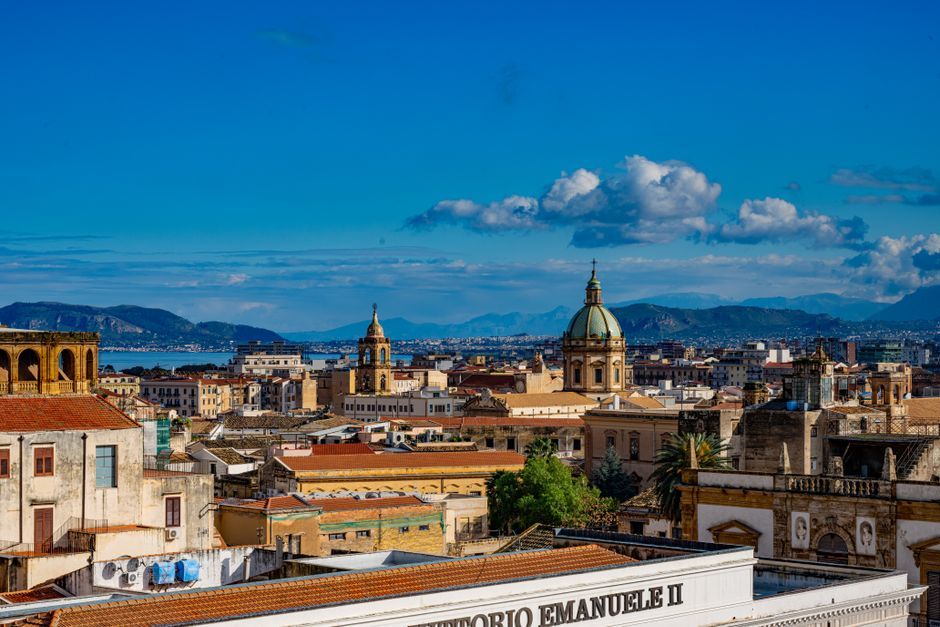
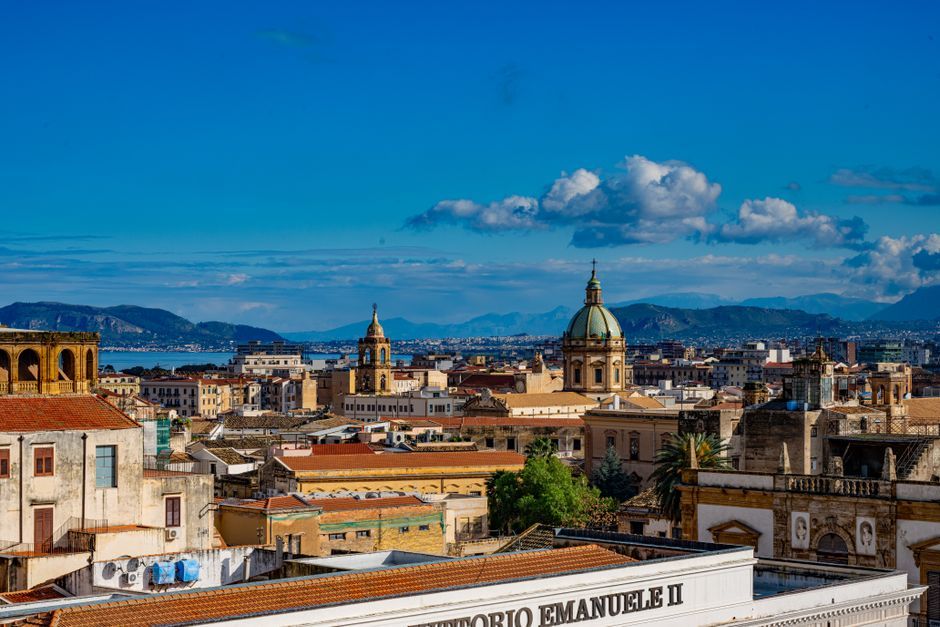
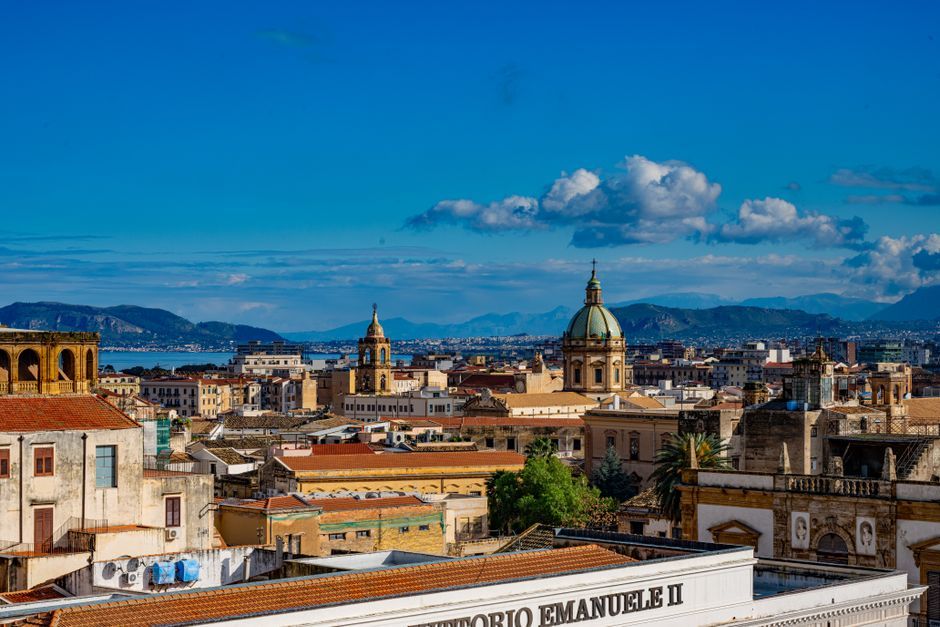
Palermo — markets that have run for a thousand years, Norman-Arab architecture, the best street food in Italy, and the lowest costs of any major Italian city. Chaotic and completely unpreserved.
Granada — a university city with the Alhambra attached, free tapas, and the Sierra Nevada an hour away.
Tbilisi — cheap, with a long visa allowance for many nationalities, sulphur baths, a serious wine culture and mountains within reach.
Mexico City — enormous, with a neighbourhood for every temperament, and the best museum in Latin America.
Oaxaca — food, craft villages, markets, and a scale that stays walkable.
Chiang Mai — outside burning season, the most established long-stay city in Asia for a reason.
Kanazawa or Fukuoka — Japanese cities with everything and a fraction of Tokyo's cost.
Porto or Coimbra — Portuguese cities with student populations and real prices.
Medellín — spring weather year round, a cable-car public transport system, and a workable time zone for American clients.
The pattern across them
| Feature | Why it matters |
|---|---|
| University population | Cheap rents, year-round social life |
| Daily market | Structure, cost, and repetition |
| Walkable centre | Removes daily transport friction |
| Mid-sized | Big enough for variety, small enough to learn |
| Something outdoors nearby | Weekends without flights |
A mid-sized university city frequently beats a capital. Costs are lower and the social structures are more accessible.
The rule that matters most
Book two weeks first, then extend.
It costs a little more per night and avoids the far worse outcome — a month committed to the wrong neighbourhood of the wrong town, with a non-refundable booking.
Two weeks is also long enough to know. The second week is when a place either opens up or does not.
The honest caveat
Long stays in cheap countries have contributed to rent pressure in several cities, and this has become a genuine local political issue in Lisbon, Barcelona, Mexico City and elsewhere.
Renting outside the most pressured central neighbourhoods, and for longer rather than shorter, is the small thing an individual can reasonably do about it.