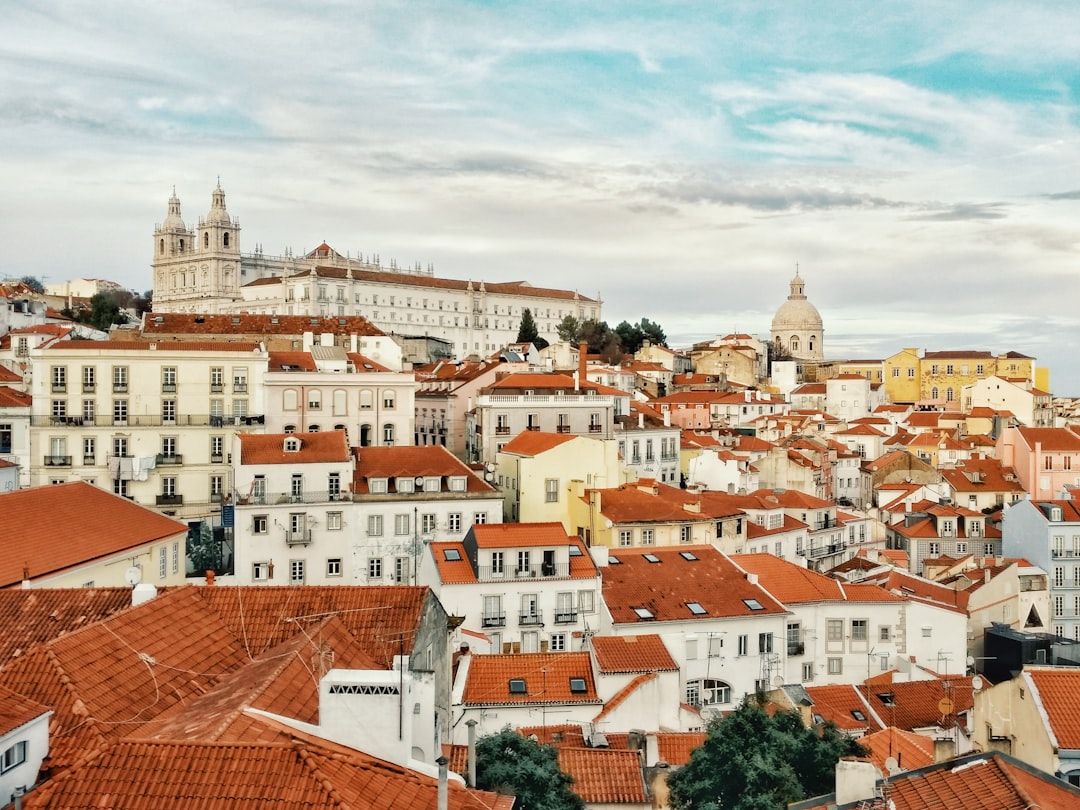
Portugal's reputation as a cheap long-stay destination was built on prices that Lisbon and Porto no longer have. The country is still good value — just not in the two cities everyone names.
What changed
Lisbon and Porto rents in central areas have risen sharply, approaching western European norms in the popular neighbourhoods.
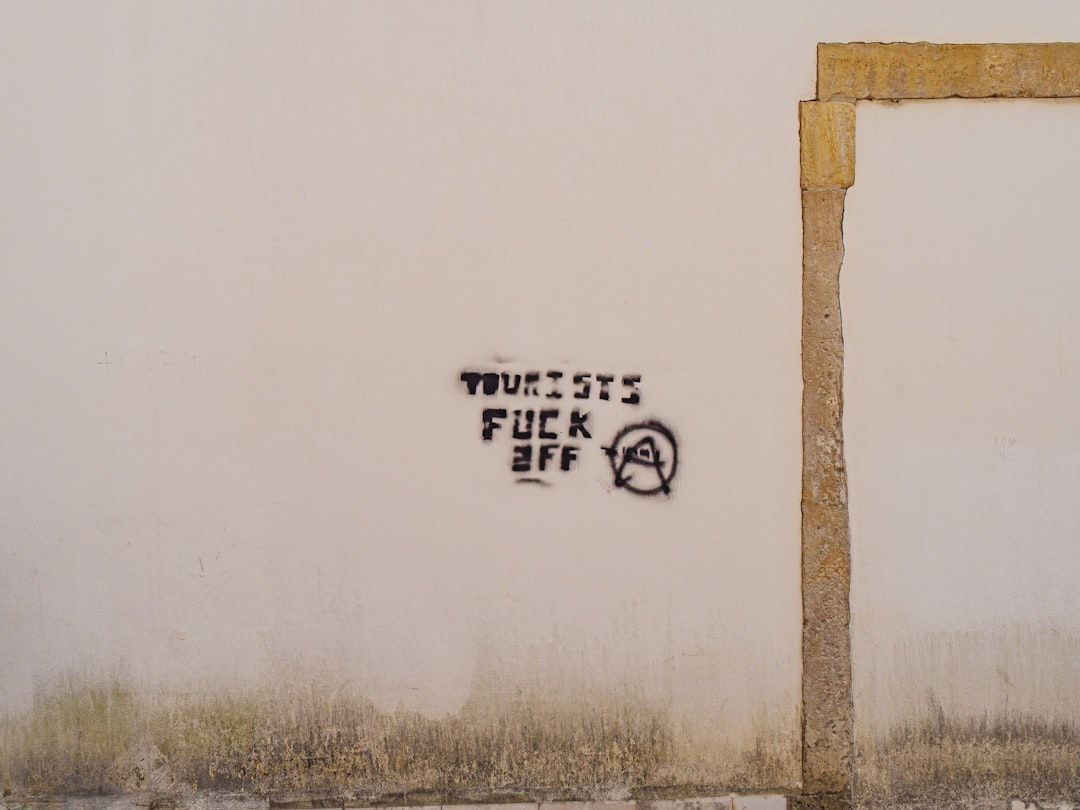
This has been a significant local political issue rather than a curiosity for visitors, and it is worth being aware of when arriving as a long-stay renter.
The value moved outward, and the smaller cities are genuinely good.
Where the value is
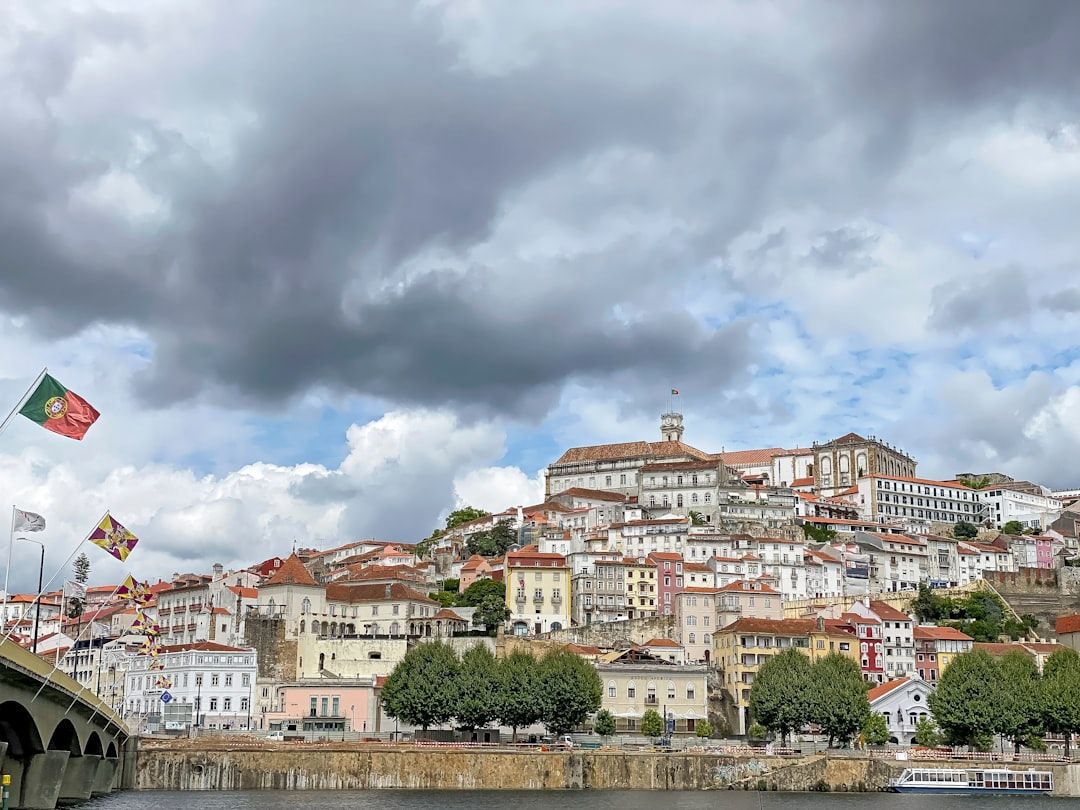
Coimbra — a university city since 1290, on a hill above the Mondego, with a large student population and correspondingly low prices. The library alone is worth the stay.
Braga and Guimarães — in the north, historic, cheap, with the Minho countryside and Peneda-Gerês nearby.
Aveiro — canals, art nouveau buildings, a lagoon and the coast, and a smaller student city feel.
Setúbal — the sea and the Arrábida hills, 45 minutes from Lisbon without Lisbon prices, and dolphins in the estuary.
Évora and the Alentejo towns — genuinely rural cost levels, walled centres, and empty countryside.
Tavira in the eastern Algarve, quieter and cheaper than the central resort strip.
The NIF
A tax identification number needed for many transactions — rental contracts, utility accounts, phone contracts, and sometimes larger purchases.
Non-residents can obtain one, frequently through a fiscal representative, and services exist to arrange it.
Worth doing early, since it blocks things unexpectedly.
What a month costs
| Item | Smaller city | Lisbon |
|---|---|---|
| One-bed monthly rental | €500–800 | €1,000–1,600 |
| Food, cooking mostly | €200–300 | €250–350 |
| Transport pass | €25–40 | €40 |
| Tasca lunch | €8–12 | €10–14 |
The tasca lunch — a full meal with wine at a small neighbourhood restaurant — is the thing that makes Portuguese daily costs low. The prato do dia is the cheapest and usually best option.
Finding a rental
Idealista and OLX alongside the short-let platforms.
Portuguese sites carry supply that does not appear internationally, at lower prices, usually requiring a NIF and a deposit.
Ask specifically about heating. Portuguese buildings frequently have none, and winter in a stone apartment is colder than the mild outdoor temperature suggests. This is the most common long-stay complaint.
The rhythm
Markets, most mornings, with produce at a fraction of supermarket prices.
The café — a coffee costs under a euro standing at the counter, and it becomes a daily habit within days.
The couvert — bread and olives brought unasked and charged if eaten. Refusing it is normal.
Sunday closes much outside the cities.
Practical
90-day Schengen rule for non-EU visitors, counted across the whole area.
Portugal has residence routes for longer stays, and the rules have changed repeatedly in recent years — check current requirements with an official source rather than an article.
The north rains substantially more than the south. Porto is wetter than Lisbon by a wide margin.