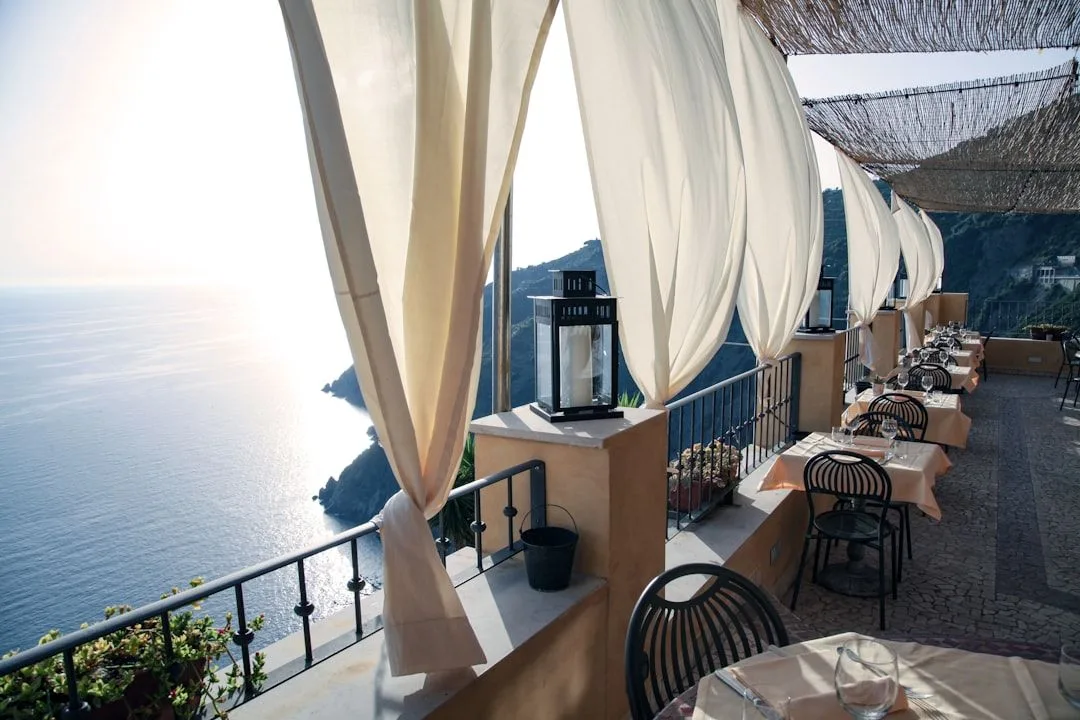
A month somewhere is more interesting with a reason to be there. A course provides three things a long stay otherwise lacks: structure, people, and a reason to speak to strangers.
Language schools
The obvious option and the one that works most reliably.
What you actually get beyond the language: a daily structure, a cohort of people in the same situation, and a school that organises things in the evenings.
Intensive courses of around twenty hours a week typically cost €150–300 weekly in Europe and considerably less in Latin America and Southeast Asia.
Choose on class size and teacher qualification, not price or facilities. Six students is a different experience from fifteen.
Schools that mix nationalities are better, because students then have to use the target language with each other rather than defaulting to English.
Cooking
Underrated, because it teaches the market rather than the recipes.
A good course starts with the shopping — which stall, which season, how to ask — and that knowledge is what you use for the rest of the stay.
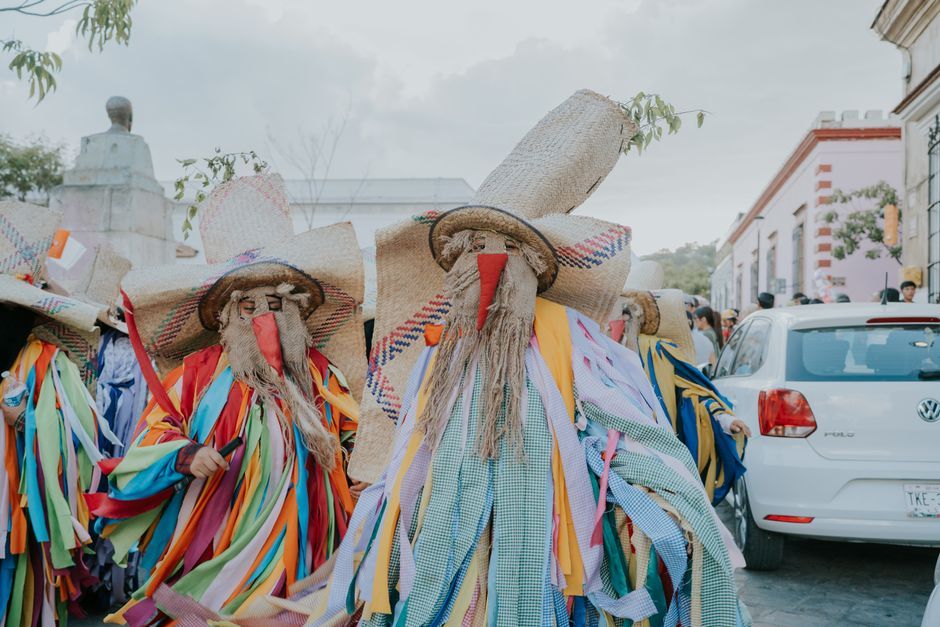
Oaxaca for Mexican, Chiang Mai for Thai, Bologna for pasta, Fez for Moroccan, Hoi An for Vietnamese.
Multi-day and week-long courses exist in all of these and cost far less than the equivalent in a western city.
Craft
Where the tradition is living rather than preserved.
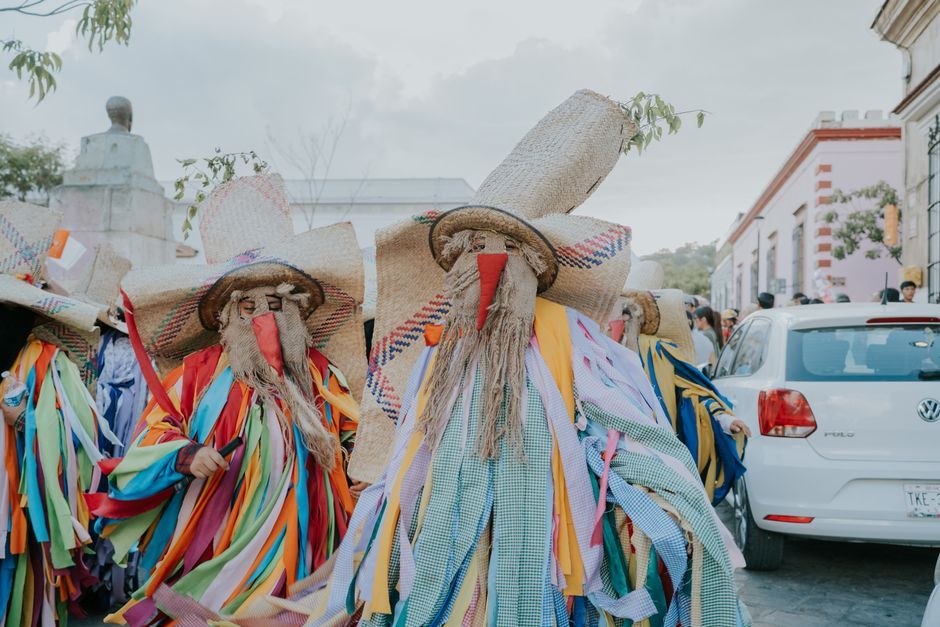
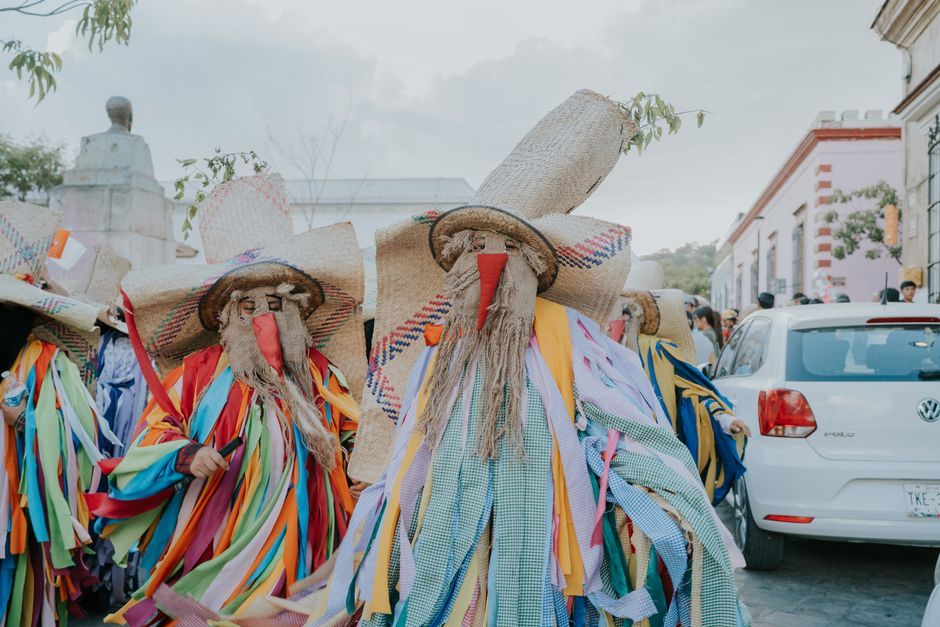
Ceramics in Japan's pottery towns, in Oaxaca's black clay villages, in Portugal.
Weaving in Peru's Sacred Valley and Oaxaca's Teotitlán.
Woodwork and knife-making in Japan.
Leather in Florence, glass in Murano.
These put you among local makers rather than other visitors, which is the difference from a tourist workshop.
Music and dance
Flamenco in Seville, Jerez or Granada — a serious study tradition with schools taking students at any level.
Tango in Buenos Aires, where the milongas run most nights and beginners' classes precede them.
Traditional music sessions in Ireland, which are open to anyone who plays and free to attend.
Taiko and traditional instruments in Japan.
The free option
Language exchange — intercambio, tandem, or whatever the local term is.
Weekly meetups run in every university city, cost nothing, and are the most reliable way to meet local people on a long stay.
Half the evening in each language, and it works.
The visa question
For short courses within a tourist entry, usually nothing extra is needed.
Longer or full-time study frequently requires a student visa, even for informal courses, and the threshold varies by country.
Check with the school and the consulate before booking rather than assuming a language course is exempt.
Practical
Book the course before the accommodation — many schools arrange or recommend housing, sometimes with host families, which solves both problems and improves the language.
Start in the first week rather than settling in first. The cohort forms immediately and joining late is harder.
Two weeks minimum for a language course to be worth the disruption; four is where it starts to compound.