
Greek long stays run on a seasonal calendar, and on most islands that calendar closes. Understanding which places have a year-round life is the whole planning question.
The winter closure
On smaller islands, hotels, restaurants and many shops close from roughly November to April.
Ferry schedules thin drastically and some routes stop entirely, which affects supplies as well as movement.
This is not a quiet version of the same island — it is a closed one, with a few hundred year-round residents and no infrastructure aimed at anyone else.
Some people find that appealing. It is worth knowing it is what you are choosing.
The year-round options
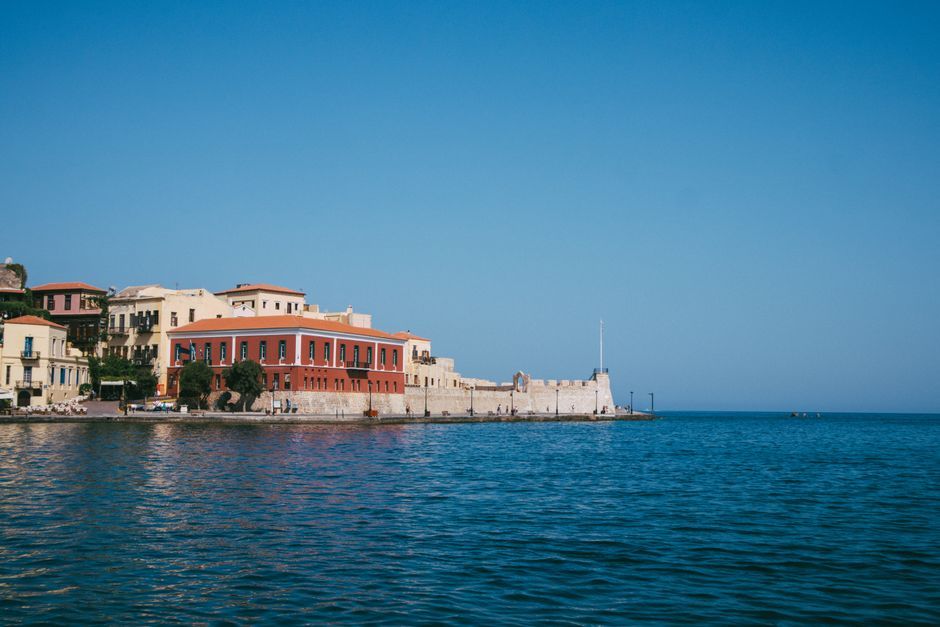
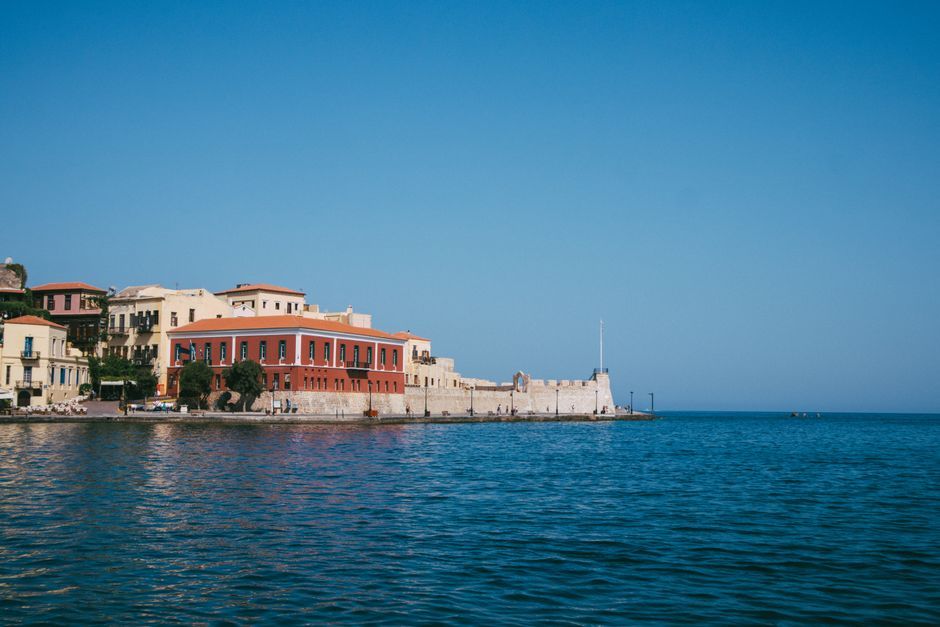
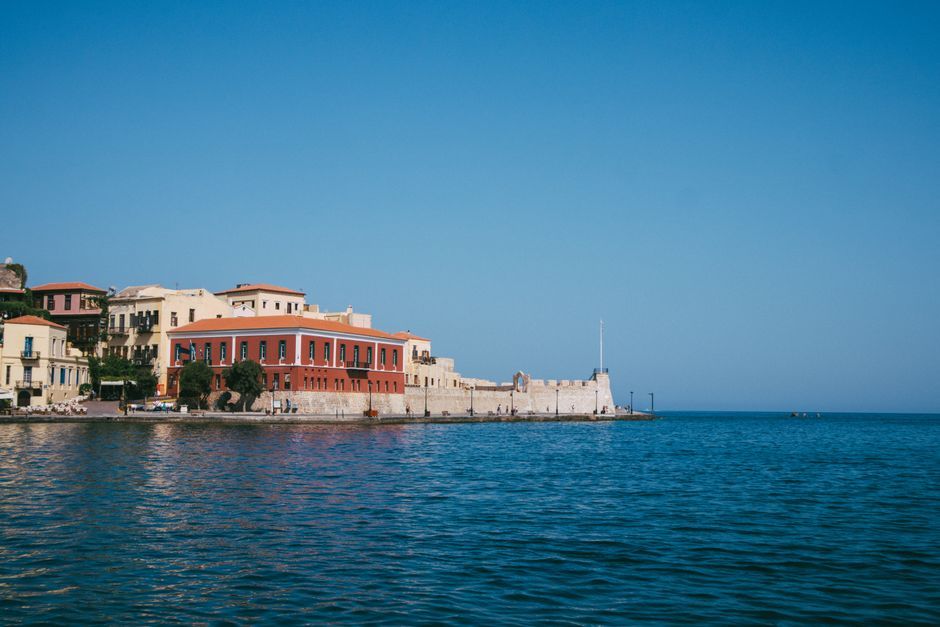
Crete — large enough to have real cities. Chania has a Venetian harbour, a covered market and a university; Heraklion is bigger and less pretty with better transport links. Both function all year, with mountains and gorges inland.
Rhodes town — a medieval walled city with a permanent population.
Thessaloniki — Greece's second city, with a large student population, Byzantine churches, Roman ruins, the best food in the country and a waterfront. Costs well below Athens, and almost no international long-stay attention.
Athens — cheaper than most European capitals, with neighbourhoods like Koukaki, Pangrati and Kypseli that are residential and affordable.
Nafplio on the Peloponnese, small and year-round.
The islands that half-work
Naxos — a real agricultural economy alongside tourism, which means a winter population and food that does not depend on visitors.
Syros — the administrative capital of the Cyclades, with a year-round town and a working port.
Ikaria — famous for longevity, entirely uninterested in tourism, and with its own approach to time and opening hours.
These stay open in a reduced form rather than closing entirely.
What a month costs
| Item | Thessaloniki / Crete | Athens |
|---|---|---|
| One-bed monthly rental | €350–600 | €500–900 |
| Food, cooking mostly | €200–280 | €230–320 |
| Taverna meal | €12–18 | €14–20 |
| Transport pass | €30 | €30 |
Off-season island rentals can be extremely cheap — a place that lets weekly for a fortune in August may go for €300 a month in February — with the caveat that everything around it is shut.
Heating is the winter issue. Greek buildings are built for summer and many have inadequate heating, with electricity costs that surprise people.
The rhythm
The kafeneio — the traditional coffee house, where the same men sit at the same tables daily. In smaller places this is the social infrastructure.
Laiki — the weekly street market, which every neighbourhood has on a fixed day, and where the produce is.
Late everything. Dinner from nine, and the evening streets fill after that.
Sunday is family day and most things close.
Practical
90-day Schengen rule for non-EU visitors, counted across the whole area.
AFM — a Greek tax number — is needed for utility accounts and some rental contracts.
Ferry schedules for the following summer typically appear in late winter; anything planned earlier works from last year's timetable.
Book two weeks first, particularly on an island, where the wrong village is a longer problem than the wrong neighbourhood.