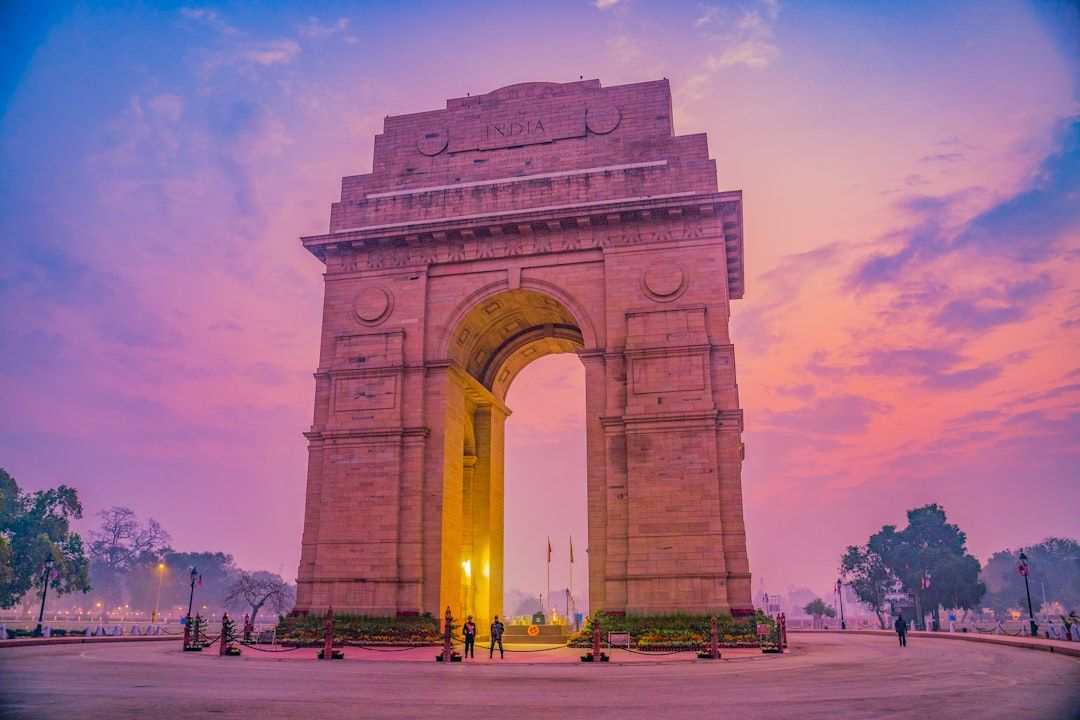
India is a subcontinent with more internal variation than most continents. A month spent moving across it produces a blur; a month spent in one region produces something closer to understanding.
Pick one region
The states differ in language, script, food, religion and climate to a degree that makes them functionally different countries.
Moving between three in a month means arriving somewhere unfamiliar three times and leaving before any of it makes sense.
A month in Kerala, Rajasthan, Himachal or Tamil Nadu produces genuine familiarity — the food, some of the language, the rhythm, and people who recognise you.
The regions for a long stay
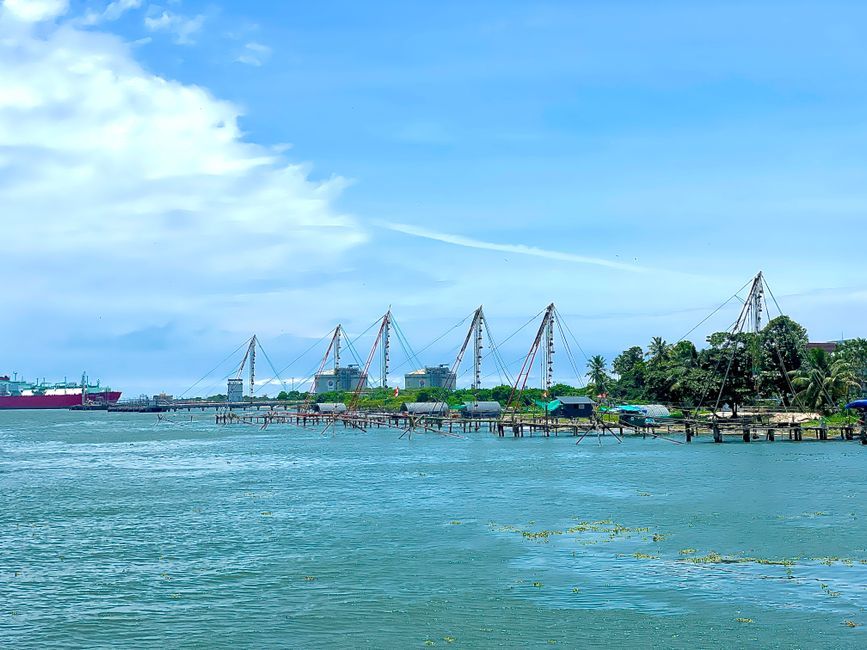
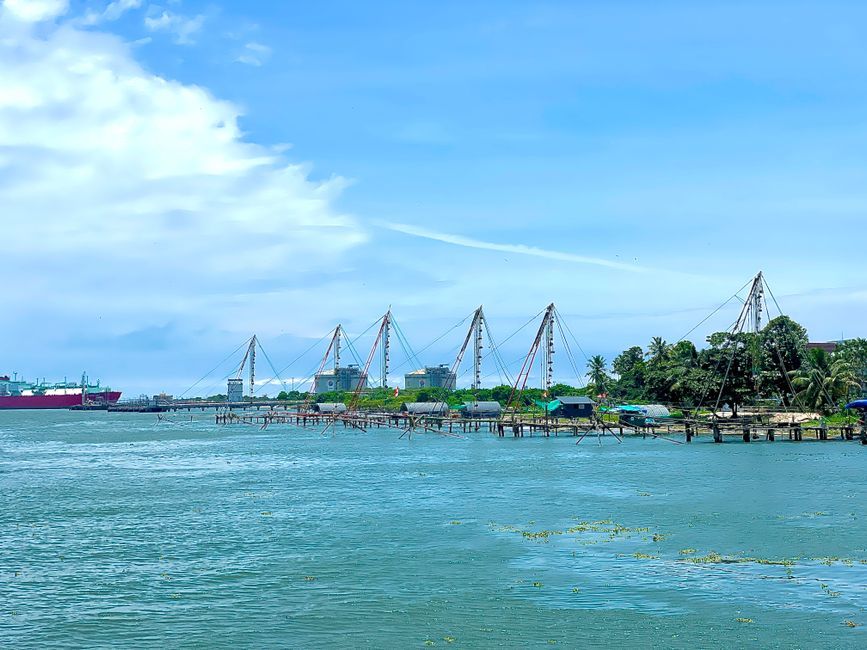
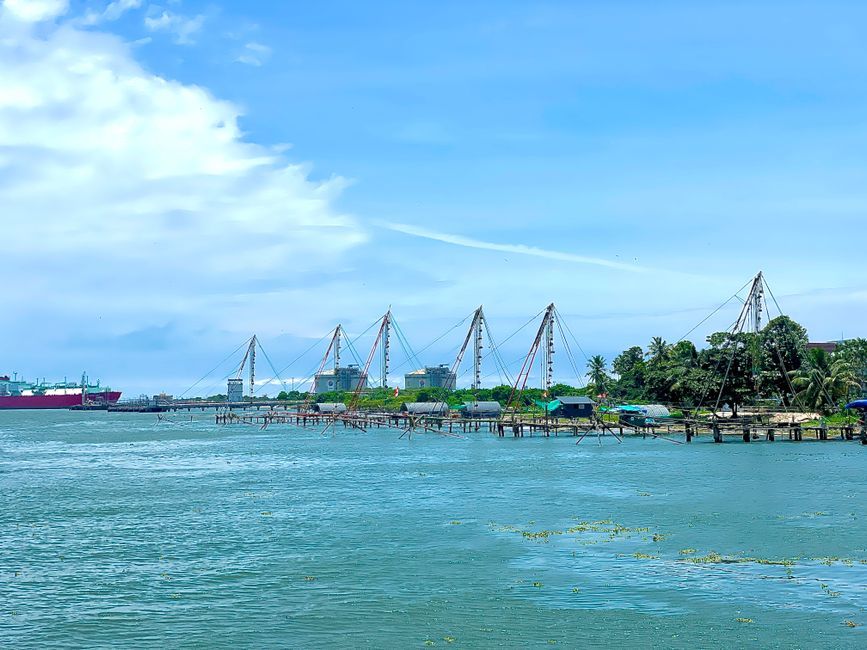
Kerala — the easiest introduction. High literacy, backwaters, tea plantations at Munnar, beaches, Ayurvedic tradition, and Kochi as a base with a Jewish quarter, Chinese fishing nets and a colonial history.
Himachal Pradesh — the Himalayan foothills. Dharamsala and McLeod Ganj for the Tibetan community, Manali and the Kullu valley, and long-established communities of foreign residents. Cool, which matters.
Rajasthan — Udaipur, Jodhpur, Jaisalmer and Bundi. Desert, forts and a strong craft tradition. Very hot from April.
Goa — the established long-stay coast, with a substantial seasonal community and Portuguese-influenced architecture. North and south Goa are very different.
Tamil Nadu — temple towns, Pondicherry's French quarter, and the Nilgiri hills.
Ladakh and Spiti — high altitude desert, accessible roughly June to September, and in the rain shadow so they stay dry through the monsoon.
The seasonal calendar
| Period | Where |
|---|---|
| Nov–Feb | Rajasthan, Kerala, Goa, Tamil Nadu — the season |
| Mar–May | Himalayan foothills; plains become very hot |
| Jun–Sep | Monsoon; Ladakh and Spiti stay dry |
| Oct–Dec | Northeast monsoon affects Tamil Nadu |
The monsoon arrives in Kerala first and moves north over weeks. Kerala in monsoon is green and atmospheric rather than impossible, and prices drop sharply.
North Indian plains in May regularly exceed 45°C, which rules out most of Rajasthan.
Visas
E-visa options exist in several durations, and longer tourist visas allow stays of up to several months.
Rules vary by nationality and change periodically. Some visa types restrict the length of any single continuous stay even when the visa itself runs longer, which catches people out.
Check the official position for your nationality before booking, and register where required — some areas including parts of the north require permits.
What a month costs
Low enough that the visa is usually the constraint rather than the budget.
| Item | Monthly |
|---|---|
| Furnished apartment, mid-sized city | ₹15,000–35,000 |
| Local restaurant meal | ₹100–250 |
| Thali lunch | ₹80–150 |
| Local transport | ₹1,000–2,000 |
Practical
Water — bottled or filtered, and most long-stay apartments have a filter.
Food adjustment takes a week or two for most people. Eating where there is turnover, and at busy times, reduces the risk more than avoiding street food entirely.
Air quality in northern cities from roughly October to January is a genuine health consideration, particularly Delhi. Check forecasts before committing to a winter month in the north.
Trains book out well ahead and the reservation system is its own subject — book as soon as the window opens.
SIM cards require documentation and can take a day or two to activate.