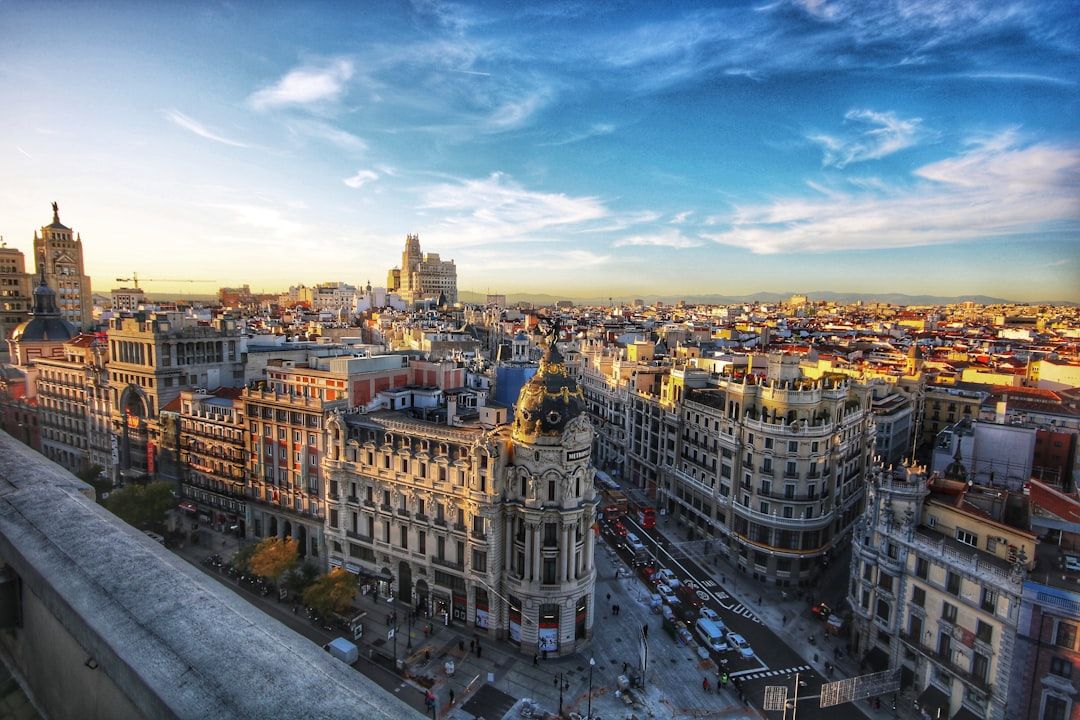
Spain's long-stay value is inland. The coast and the two big cities have coastal and big-city prices; a university city in Castile or Andalusia costs half as much and has more going on.
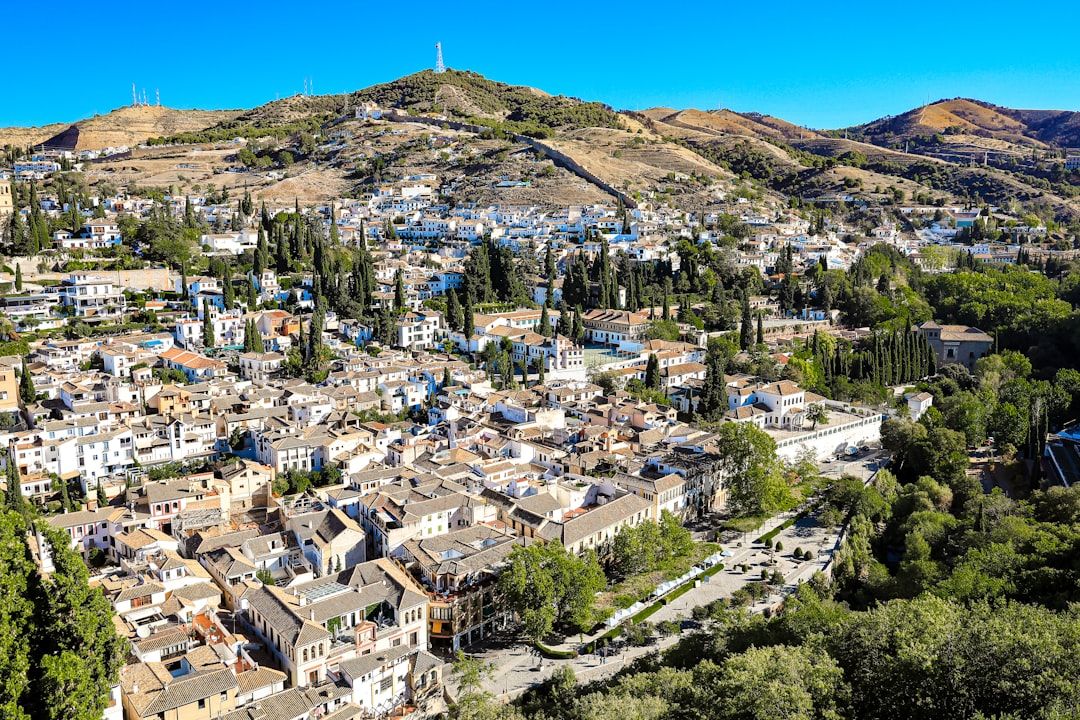
The cities worth a month
Granada — the Alhambra, the Albaicín, a large student population, the Sierra Nevada an hour away, and bars that still serve a free tapa with every drink. That custom alone changes the monthly food budget.
Salamanca — a sandstone university city with one of the great plazas in Europe, cheap and full of students.
Cáceres — a walled medieval old town in Extremadura with almost no visitors and the lowest prices in the country.
Valladolid and Zaragoza — real cities, well connected by high-speed rail, and priced for the people who live in them.
Valencia — the compromise, with a beach and a river-bed park, costing about a third less than Barcelona.
Murcia and Alicante's interior for warmth without coastal pricing.
The NIE
A foreigner identification number required for rental contracts, bank accounts and utility connections.
Obtaining one means an appointment at a police station or a consulate, and appointments can be genuinely hard to secure in busy provinces.
Start early. This is the most common administrative bottleneck for long stays in Spain.
Empadronamiento — registration on the municipal population register — is a separate step some long-stayers complete, generally requiring a contract and a NIE.
Finding a rental
Idealista dominates and carries far more supply than international platforms, at lower prices.
Local listings usually want a NIE, a deposit and sometimes proof of income, which is the friction.
Short-let platforms with monthly discounts are the easy option and cost more. Many people start there for two weeks and move to a local rental after.
What a month costs
| Item | Inland city | Barcelona |
|---|---|---|
| One-bed monthly rental | €450–750 | €1,100–1,700 |
| Food, cooking mostly | €200–300 | €280–380 |
| Transport pass | €25–45 | €45–60 |
| Menú del día | €11–14 | €14–18 |
The menú del día — three courses with bread and a drink at lunch on weekdays — is the single largest cost lever in Spain, at roughly half the evening price for the same food.
The rhythm
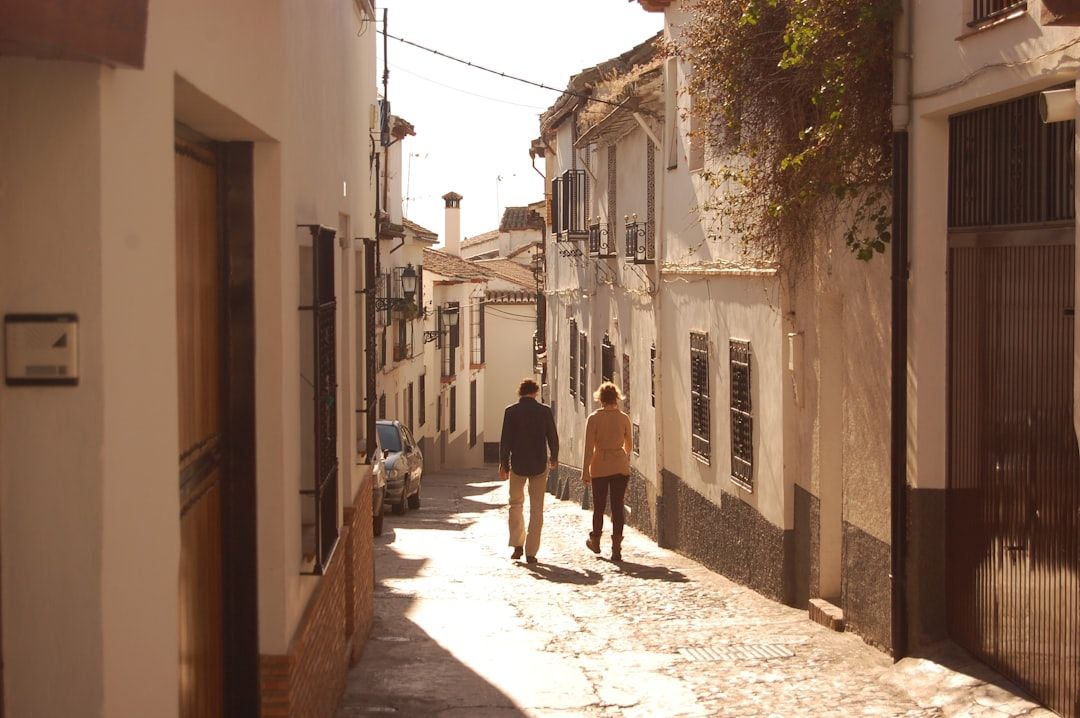
Lunch at 2pm, dinner from 9pm. Adjusting to this rather than fighting it is what makes a month feel different from a fortnight.
The afternoon — many smaller businesses still close for a few hours, particularly in the south and in summer.
Evening streets fill from about eight, and every Spanish city does this.
Language exchange (intercambio) evenings run in every university city and are the most reliable way to meet people.
The seasonal problem
Seville, Córdoba and Madrid exceed 40°C in July and August, and the interior becomes genuinely difficult.
Winter in the north and the meseta is cold, and heating in older buildings is often poor.
Spring and autumn are the months, and a month starting in April or September is the easy choice.
Practical
Check for heating and air conditioning depending on the season — both are frequently absent.
90-day Schengen rule for non-EU visitors.
Spain has residence routes for longer stays whose requirements change; check official sources rather than articles.