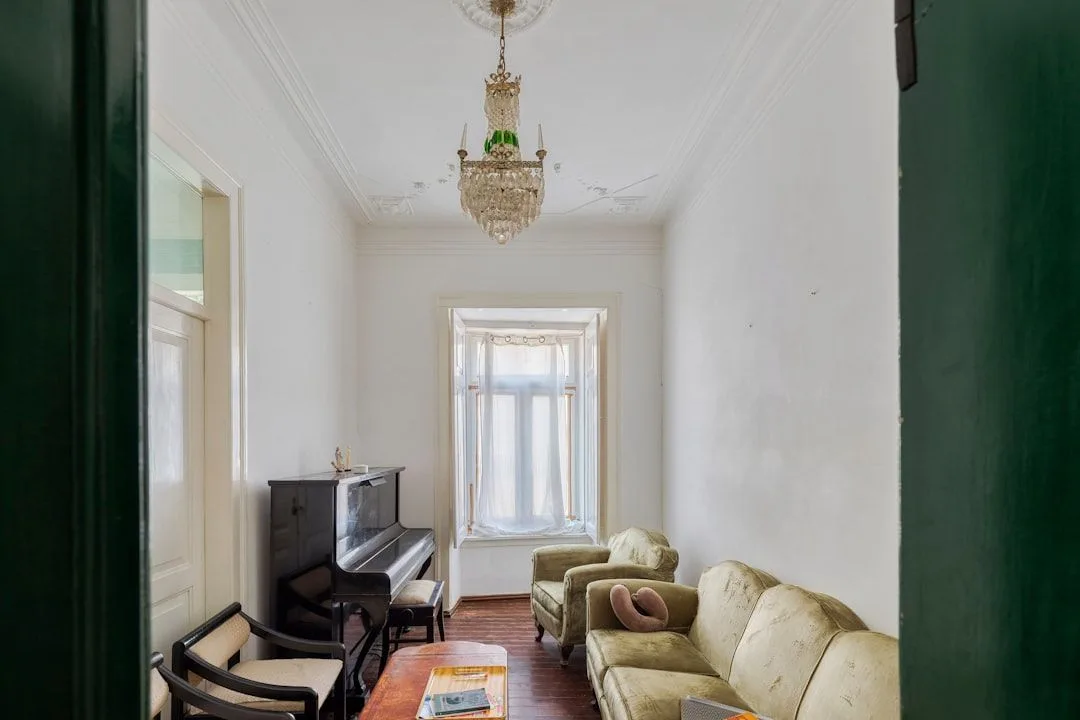
Japan rewards staying still. The density of what is walkable from a single address — food, transport, neighbourhoods — is unusual, and a month in one city gives more than a month of moving.
The stay length
Many nationalities receive 90 days on arrival, and some receive less. Check your own country's arrangement.
Japan does not offer a general digital nomad route in the way several countries now do, and working on a tourist entry is not permitted.
Where to base
Fukuoka — the best value of the major cities. Ramen and yatai street stalls, a compact centre, an airport on the subway line, and Kyushu's onsen and volcanoes reachable for weekends.
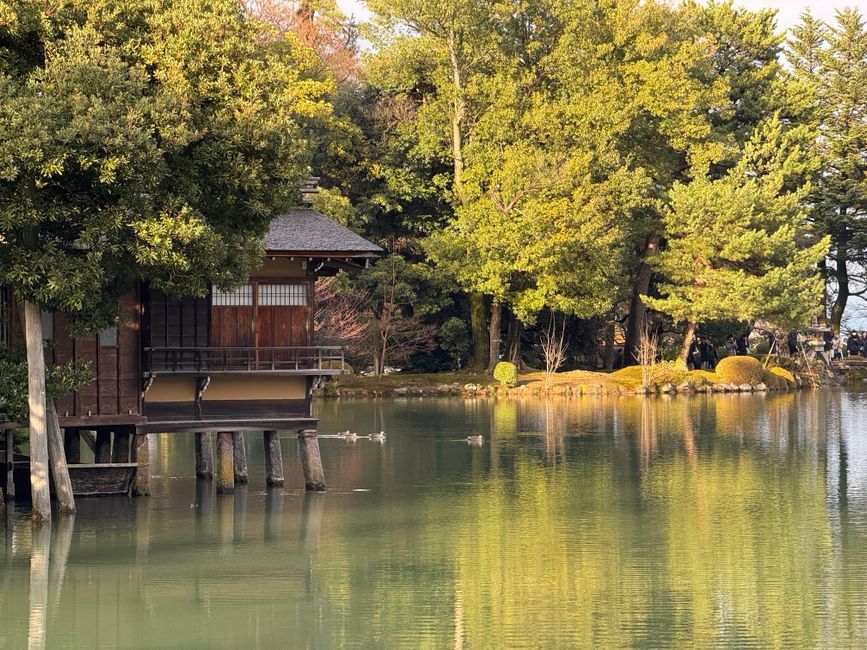
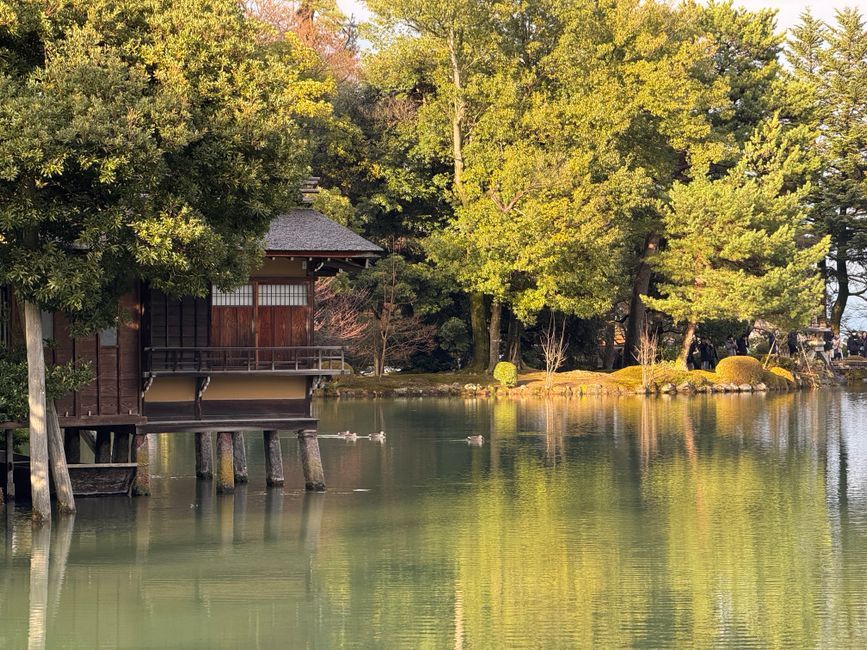
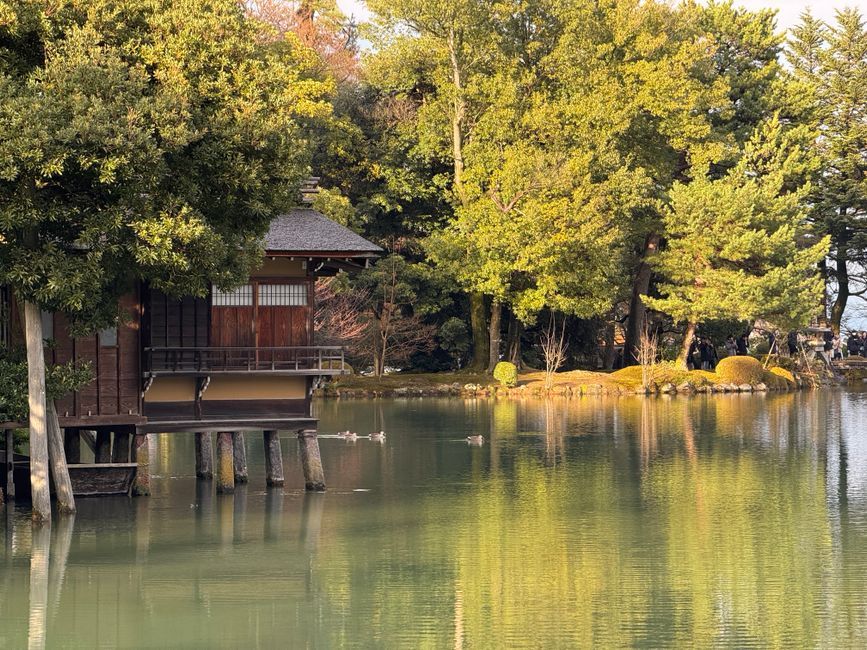
Kanazawa — a compact historic city with Kenrokuen garden, preserved samurai and geisha districts, a serious seafood market, and both mountains and coast within an hour. Effectively a quiet Kyoto.
Kyoto — the temples, if you can tolerate the crowds in the central districts. Basing in a residential ward rather than Gion changes the experience considerably.
A Tokyo neighbourhood — Kōenji, Nakameguro, Yanaka or Shimokitazawa rather than the centre. Tokyo is a set of villages and living in one is different from visiting the city.
Sapporo for summer, when the rest of the country is humid.
Accommodation
Share houses — furnished shared accommodation rented by the room on flexible monthly terms.
These exist precisely because conventional Japanese leases involve deposits, guarantors and key money that make them impractical for a short stay. Several operators run them across the major cities.
Monthly mansions — furnished studio apartments let by the month, aimed at business travellers and considerably cheaper than hotels.
Short-let platforms with monthly discounts, though Japan regulates short-term rentals and the legal supply is smaller than in Europe.
What a month costs
| Item | Monthly, outside Tokyo |
|---|---|
| Share house room | ¥50,000–80,000 |
| Monthly studio | ¥80,000–130,000 |
| Food, cooking mostly | ¥35,000–50,000 |
| Transport pass | ¥5,000–10,000 |
Tokyo runs 30–50% higher on accommodation.
Supermarkets discount prepared food heavily in the final hour before closing, which is a genuine and widely used saving.
The rhythm
The neighbourhood is the point. A month means the same sentō bathhouse, the same coffee place, the same izakaya, and staff who recognise you.
Weekends out — a shinkansen puts most of the country within reach, and luggage forwarding for around ¥2,000 makes overnight trips light.
Language improves fast in a month if you use it, because the same interactions repeat daily.
Practical
Cash still matters, and 7-Eleven ATMs take foreign cards.
A Suica or Pasmo for everything local.
No JR Pass for a stay based in one place; buy individual tickets for the weekends.
Rubbish separation is strict and varies by ward, with specific days for specific categories. Your accommodation will explain, and getting it wrong is a genuine social problem.
Tattoos can bar entry to public baths, which affects the daily routine more than a short visit.