Bali's areas are effectively separate destinations, and its visa rules change more often than most. Both are worth getting right before committing to a month.
The visa position
Visa on arrival is granted for 30 days and can typically be extended once for a further 30.
Longer visit visas exist for stays of up to 60 days with extension options, arranged before or on arrival depending on type.
Indonesian visa rules change relatively often — categories are added, renamed and adjusted. Check the current official position rather than relying on an article, including this one.
Overstaying carries a daily fine and is taken seriously.
The areas, which are not interchangeable
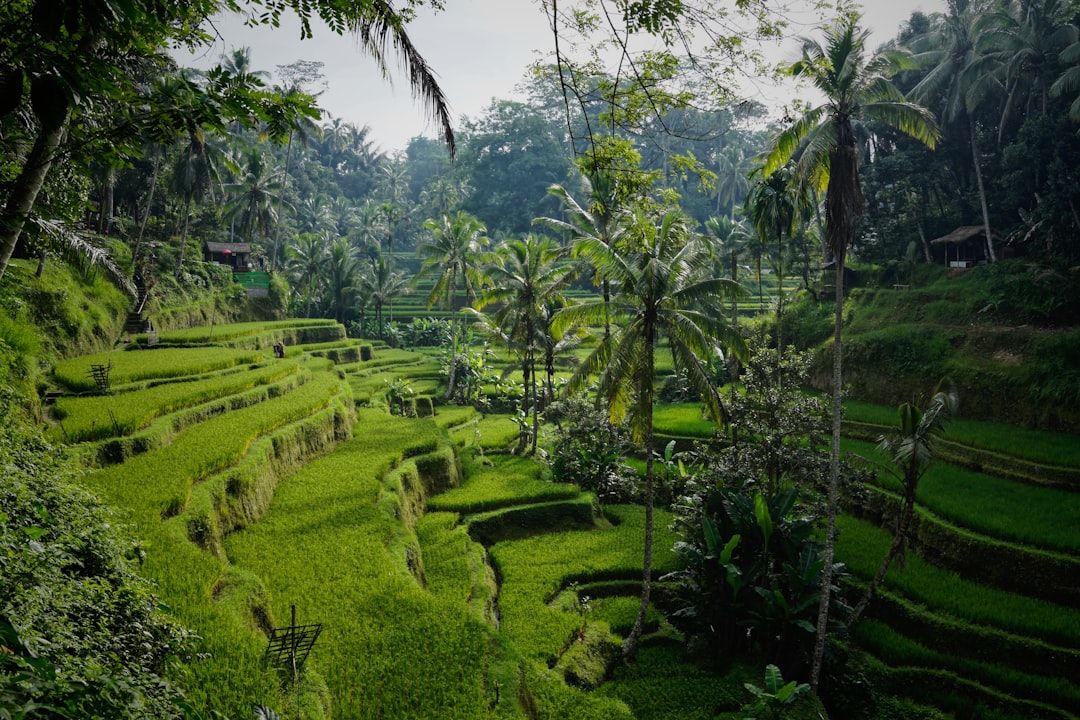
Ubud — inland, rice terraces and forest, cooler, quieter. Yoga, wellness, craft and a long-established expatriate community. Traffic in the centre is bad; a few kilometres out it is not.
Canggu — coastal, dense with cafés and co-working spaces, surf beaches, and a young international crowd. Also heavy traffic and rapid development.
Seminyak and Kerobokan — more established, more expensive, restaurant-focused.
Uluwatu and the Bukit — clifftop, serious surf, drier, and more spread out.
Sanur — east coast, calm water, older demographic, and considerably quieter.
Amed and the east — diving, black sand, and almost no development.
Munduk and the north — mountains, lakes, waterfalls, and cool enough for a blanket at night.
What a month costs
| Item | Monthly |
|---|---|
| One-bed villa or apartment | $400–900 |
| With a private pool | $700–1,500 |
| Warung meals | $2–4 each |
| Western café meals | $8–15 each |
| Scooter rental | $60–100 |
| Co-working membership | $100–200 |
Eating local versus western is the whole budget. A warung meal costs a fifth of a café one, and the food is better.
Monthly rentals are usually arranged locally or through Facebook groups rather than international platforms, at considerably lower prices.
The scooter question
The standard way to get around, and where visitors are most commonly injured.
Riding legally requires the correct motorcycle category on an international permit, without which travel insurance generally voids cover for an accident.
Balinese traffic is dense and unpredictable, road surfaces vary, and rain makes it worse.
Wear a helmet, do not ride without the licence, and never leave a passport as a rental deposit.
The practical frictions
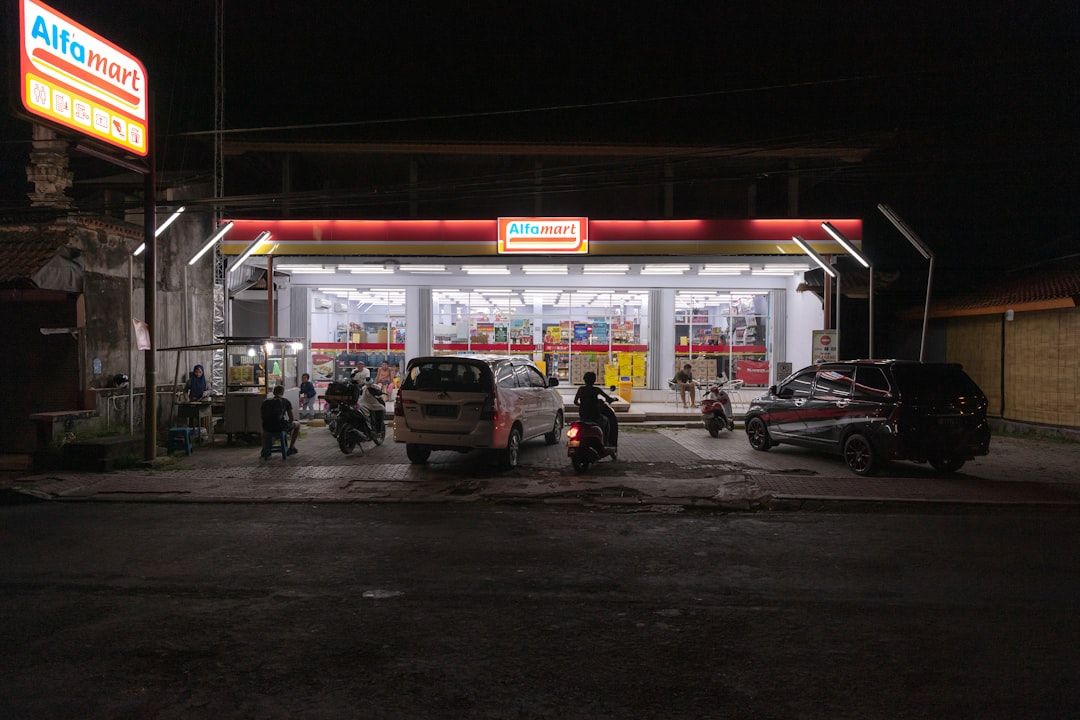
Traffic in the south has become severe, and a five-kilometre journey can take forty minutes at peak times.
Water — do not drink from the tap, and refill stations are widely available.
Rainy season, roughly November to March, brings heavy afternoon downpours rather than constant rain, and humidity throughout.
Ceremonies close roads regularly and without notice. This is not a disruption to complain about; it is the island functioning.
Etiquette that matters on a long stay
Temple dress — a sarong and sash, provided at major temples.
Canang sari — the small daily offerings on pavements and steps. Do not step on them.
Nyepi, the day of silence, when the whole island stops — no travel, no lights, and the airport closes. It falls in March and is worth knowing about in advance.