
Portugal became a remote work destination faster than its housing supply could absorb. That is the context for anything written about working there, and it has changed the practical picture considerably.
The visa position
Portugal introduced a remote work visa route with income requirements, offering both temporary stay and residence options.
The specifics have changed since introduction — thresholds, categories and processing.
Consult the official immigration service or an immigration professional rather than any article, including this one. This is the single most out-of-date category of information about Portugal.
For stays under 90 days, non-EU visitors are governed by the Schengen rule, counted across the whole area.
The tax position
The non-habitual resident regime that attracted many people was substantially changed — the previous version closed to new applicants and a narrower replacement introduced.
Anyone planning around Portuguese tax treatment should take current professional advice. The position has shifted more than once and general guidance ages badly.
Note also that tax residence generally follows from spending 183 days in the country, which happens whether or not it was intended.
Where to live now
Lisbon and Porto central rents have risen sharply. The value moved outward.
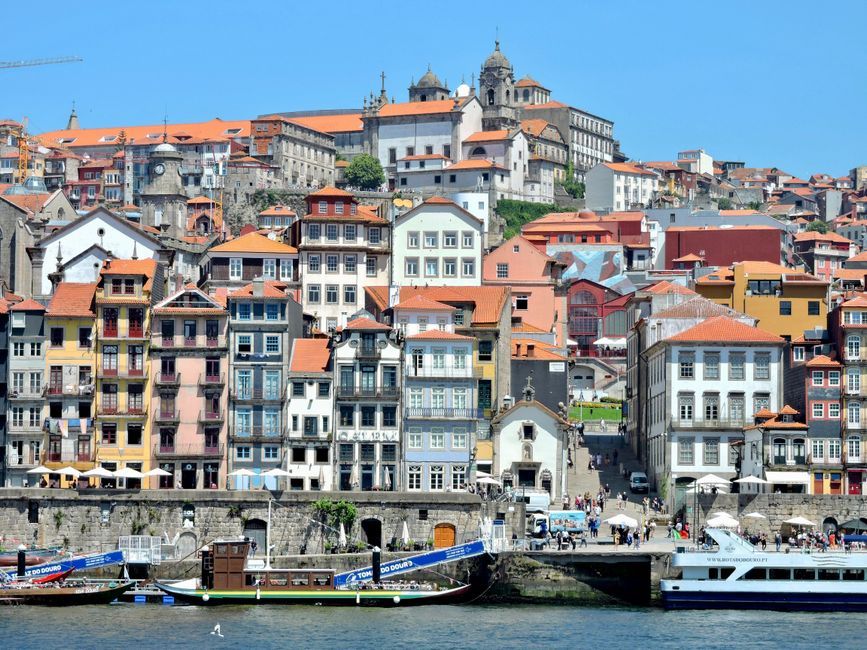
Porto still works, particularly outside the historic centre — Bonfim, Campanhã, and across the river in Gaia.
Braga and Guimarães — northern, historic, with student populations and much lower costs.
Coimbra — a university city on a hill, cheap, and central for the whole country.
Aveiro — canals, coast, and a smaller city feel.
Setúbal — the sea and the Arrábida hills, 45 minutes from Lisbon without Lisbon prices.
Ericeira and Peniche for surf-focused stays.
Madeira, which established a remote work village and has year-round mild weather.
Connectivity
Fibre coverage is extensive and city speeds are high, which is one reason the country became popular for this.
Rural coverage is more variable.
Ask for a speed test screenshot, ask about upload speed specifically, and confirm whether the connection is fibre or mobile.
Co-working spaces are widespread in the cities and cheap by western European standards.
What it costs
| Item | Smaller city | Lisbon |
|---|---|---|
| One-bed monthly | €500–800 | €1,000–1,600 |
| Co-working | €90–150 | €130–220 |
| Food, cooking mostly | €200–300 | €250–350 |
| Transport pass | €25–40 | €40 |
The housing question, honestly
Rents in Lisbon and Porto have risen sharply and this is a significant national political issue, with foreign remote workers and short-term rentals both cited as factors.
It is reasonable for a visitor to know this rather than to be surprised by local feeling about it.
The individual response that makes sense: rent longer term rather than short, and outside the most pressured central neighbourhoods, which is also cheaper and more interesting.
Practical
A NIF — tax identification number — is needed for rental contracts, utilities and phone contracts. Non-residents can obtain one, frequently through a fiscal representative.
Heating is frequently absent in Portuguese buildings, and winter in a stone apartment is colder than the mild outdoor temperature suggests. This is the most common long-stay complaint and it is worth asking about specifically.
The north rains substantially more than the south.
Time zone is convenient for both European and, at a stretch, US East Coast working hours, which is a large part of the appeal.