Slow Travel vs Digital Nomadism: Different Games
Advantages of Slow Travel:
- Cultural Immersion: Slow travel allows you to immerse yourself in the local way of life. You meet people from different walks of life, learn their customs and traditions, and gain insights that are hard to come by through digital nomadism.
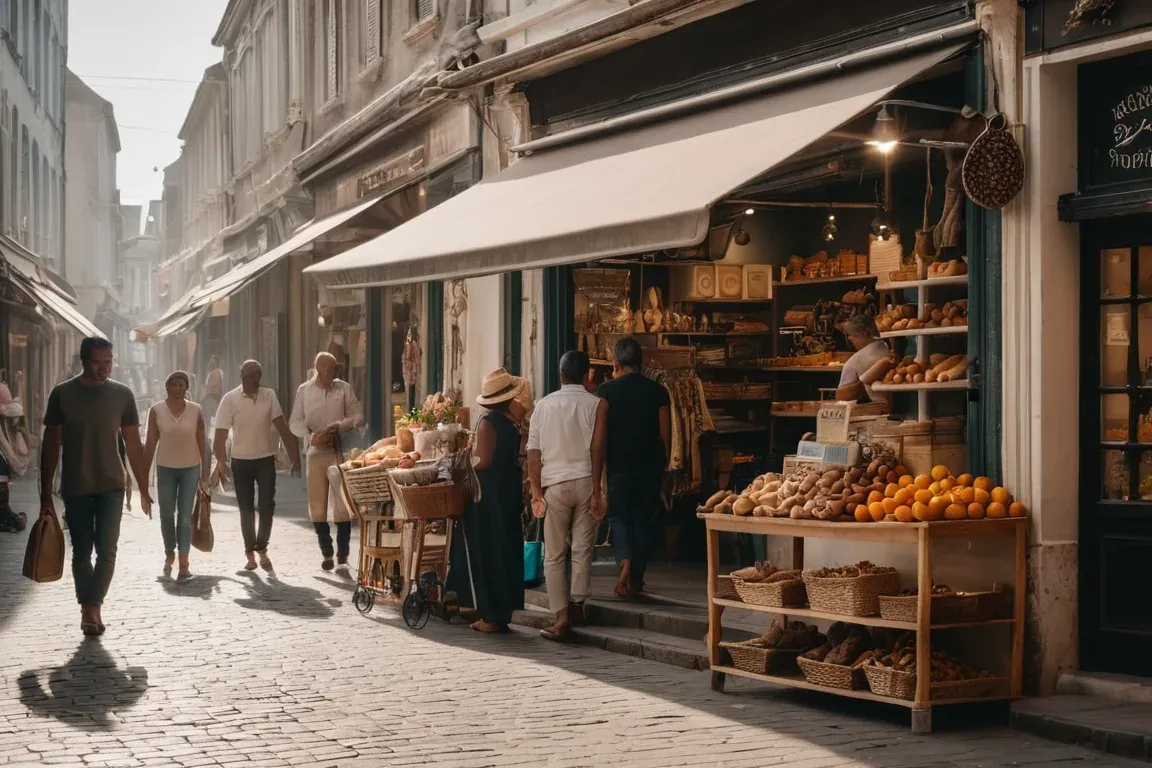
- Quality Experiences: Each stop on a slow travel itinerary is more likely to be an authentic experience rather than a quick check-in followed by a return to your digital hub. You can spend hours exploring local markets, trying new foods, and connecting with locals in their own space.
- Sustainability: Slow travelers are more mindful of the impact on the environment as they take it slow. They often choose sustainable accommodations and opt for eco-friendly activities that support local communities.
Digital Nomadism: The Art of Flexible Work
Slow travel vs digital nomad is key here. While digital nomads have gained popularity in recent years, slow travel isn't about abandoning your professional life entirely. It's a lifestyle choice where you can work remotely but still engage deeply with the local community.
Advantages of Digital Nomadism:
- Career Opportunities: Digital nomads have access to a global workforce, providing opportunities for travel and networking that may not be available in your home region. This can lead to new career prospects or business ventures.
- Flexibility: The ability to work from anywhere, anytime can be incredibly freeing for those who need flexibility in their daily lives. If you're a student looking to save money on tuition fees or an artist seeking more time and space for creativity, the choice is yours.
- Social Engagement: Digital nomads often find that they still maintain strong connections with their home countries while exploring new ones. The blend of digital work-life balance and real-world interactions can lead to a well-rounded travel experience.
Trade-Offs Between Slow Travel and Digital Nomadism:
- Costs: Digital nomads typically pay less for accommodation and food than slow travelers, but the lack of flexibility in their work schedule can lead to financial stress if they need to return home regularly.
- Quality of Life: Slow travel often provides a higher quality of life with more time to explore and connect with locals. Digital nomads may find themselves balancing work-life balance against living costs, which might not be as high but can still impact their overall well-being.
Who Should Consider Each:
- Slow Travelers: Ideal for those looking to deepen their understanding of the world through immersive experiences. Perfect for those seeking a more traditional travel experience with fewer distractions and more meaningful interactions.
- Digital Nomads: Beneficial for professionals who need flexibility in their work schedules or artists who value time away from digital clutter. Great for anyone looking for new career opportunities or an escape to creative inspiration.
Slow travel vs digital nomad is key here. In the end, both slow travel and digital nomadism have their merits. The choice between them is a personal one that depends on your goals, preferences, and lifestyle needs. Whether you prefer to immerse yourself in local culture or find solace in flexible work arrangements, each style offers unique opportunities for growth and adventure.
The Benefits of Slow Travel
Slow travel involves the deliberate, leisurely exploration of a destination over an extended period. This approach to traveling offers several advantages such as cultural immersion, time to appreciate local cuisine and crafts, and opportunities for relaxation in natural settings. For instance, the "Silence Walks" project launched by the World Monuments Fund provides tourists with guided tours that emphasize listening rather than sightseeing. Participants are advised to observe their surroundings quietly, fostering a deeper connection with history.The Advantages of Digital Nomadism
Digital nomads enjoy the flexibility of working remotely from various locations without being tied to fixed office spaces or cities. This lifestyle allows them to maintain high productivity levels while avoiding the stress and unpredictability associated with traditional job commitments. The "Remote Workers" community on LinkedIn estimates that 70% of members work at least one day a week outside their home country, enabling them to balance their professional and personal lives effectively.Frequently Asked Questions
1. Can I combine Slow Travel with Digital Nomadism? - Yes, combining both can be highly rewarding. It allows you to experience the world's cultures while maintaining a flexible work schedule. For example, if you decide to visit Peru, which offers both slow travel (through its beautiful landscapes and historic sites) and digital nomad opportunities (with remote offices available in popular Peruvian cities), this dual approach can create an enriching experience. 2. What are some tips for balancing the time investment required for Slow Travel with flexibility of Digital Nomadism? - A common suggestion is to incorporate brief periods of digital work into slow travel adventures. This could involve a few days' stay in a city that offers both cultural experiences and remote working opportunities, allowing you to balance your exploration with productive sessions at home. 3. How do I decide which route-slow travel or digital nomadism-is best for my lifestyle? - Deciding between the two largely depends on individual priorities and circumstances. If you value deep cultural engagement and prefer a more structured itinerary, slow travel might be better suited. For those who seek greater freedom to work remotely at any time, digital nomadism could be ideal. 4. Are there specific areas or experiences that are more suitable for either Slow Travel or Digital Nomadism? - Cities with strong digital nomad communities like San Francisco (for tech workers), and cities rich in culture such as Lima (ideal for slow travelers looking to explore historical sites) might offer the best opportunities for combining both lifestyles.The Economics of Slow Travel vs Digital Nomadism
Slow travel and digital nomadism offer contrasting economic opportunities, each tailored to different lifestyles. The economics are stark: slow travel involves substantial upfront investment for accommodations and transportation in destinations far from home. In contrast, digital nomads have access to a range of services and tools that can help them earn income while they travel.Real-Life Examples of Slow Travel vs Digital Nomadism
Slow travelers often start with a budget-friendly booking strategy before moving into more luxurious accommodations as their finances improve. They rely on local connections and the hospitality industry for essential support like meals, transportation, and language lessons. On the other hand, digital nomads may begin by renting or purchasing equipment needed to work remotely, such as high-speed internet access.FAQs on Slow Travel vs Digital Nomadism
Q: Can slow travel be as productive or financially rewarding as digital nomadism? A: Yes, while the immediate financial benefits of digital nomadism can be higher due to lower accommodation costs and more accessible work environments, slow travel can offer similar productivity through careful planning. For instance, many people who engage in slow travel choose destinations with a strong local culture that naturally supports remote work. Q: Is there a way for digital nomads to experience the slower pace of life? A: Absolutely! While not all digital nomads are comfortable with a slower pace, it's possible to incorporate some aspects into your routine. For example, you can choose more relaxed locations or use technology to reduce the need for constant connectivity. Q: How do slow travelers and digital nomadism compare in terms of environmental impact? A: Slow travel tends to be more environmentally friendly due to its emphasis on local experiences and reduced energy consumption compared to remote work environments. Digital nomads often contribute significantly to carbon emissions from their daily commute, electricity use for working remotely, and transportation needs. Q: Can slow travelers afford to be digital nomad? A: Yes, many slow travelers are able to finance a meaningful travel experience by saving diligently or seeking out budget-friendly accommodations in less popular destinations. This can provide the same level of financial freedom as digital nomadism without the high costs associated with remote work environments.
Conclusion
Both slow travel and digital nomadism offer unique advantages, making them suitable for individuals at different stages of life or with various preferences. Understanding these trade-offs will help you choose the option that best fits your lifestyle and goals, ensuring a more fulfilling and sustainable journey regardless of which path you ultimately choose.