Slow Travel vs Backpacking: When to Switch
Are you looking for a way to travel that doesn't just scratch your itineraries but also takes the time out of your day-to-day life? If so, consider slow travel versus backpacking as two contrasting yet equally enriching options. While slow travel excels in its ability to immerse you deeply into a destination, offering an unhurried pace and unparalleled experiences, backpackers offer a more flexible approach that allows for exploration at your own leisurely pace.What is Slow Travel?
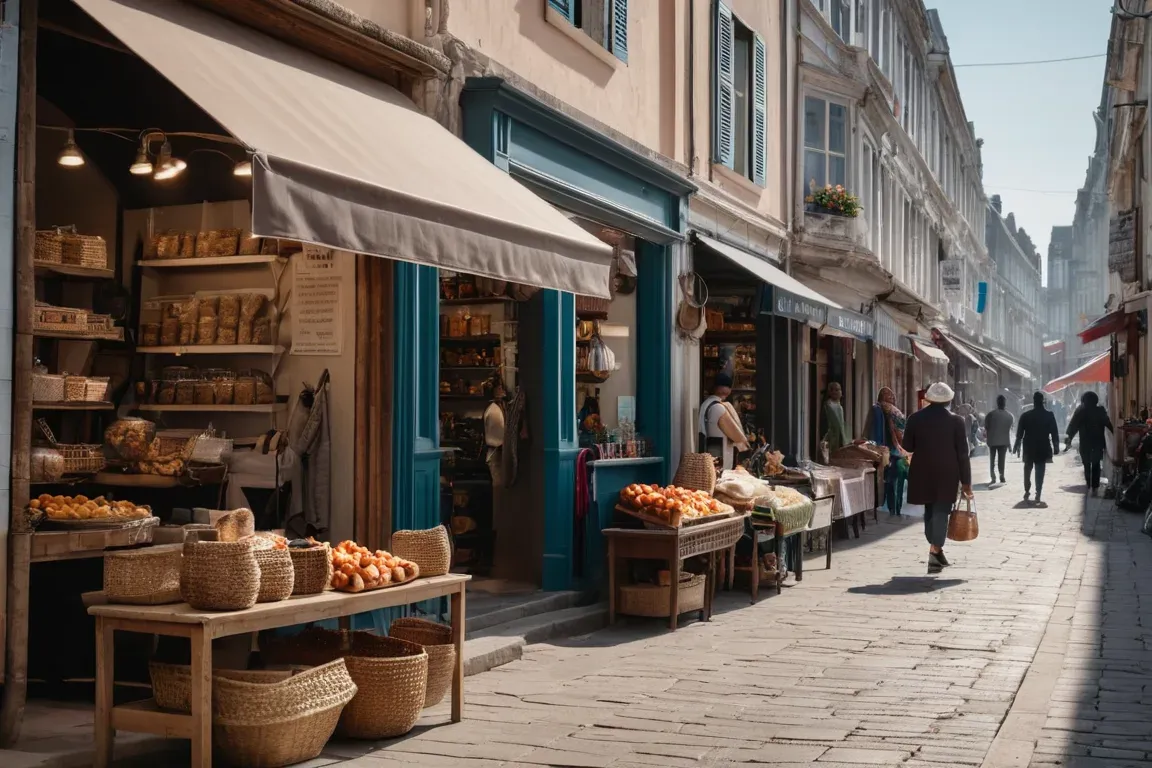
Slow travel is the ideal when you want to experience a place on a deep, meaningful level. This style of travel often involves staying in small towns or villages rather than busy cities, and it emphasizes taking your time with every meal, interaction, and activity. It's all about savoring each moment and immersing yourself fully into the culture.Characteristics of Slow Travel
- Long Stays: Typically, you'll spend longer in a destination (often several weeks or even months), allowing for more depth. - Local Exploration: Emphasis on discovering local customs, cuisine, and quiet spots. - Minimal Accommodation Changes: Avoiding frequent hotel changes can be part of the slower pace. - Emphasis on Quality Over Quantity: Spending time in a place rather than rushing through it.When to Choose Slow Travel
Slow travel is perfect for those who are looking to fully immerse themselves in a destination. If you want to deeply explore a new culture and truly experience its history, people, and way of life, slow travel might be the best choice.
- For Culture Enthusiasts: Slow travel allows for a slower pace that makes it easier to learn about local customs and traditions without feeling rushed.
- For History Lovers: Immersing yourself in the history of a place can be done more easily with slow travel, which often includes visiting old towns and historical landmarks.
- For Food Enthusiasts: Slow food experiences are more likely to involve tasting local delicacies at local restaurants or markets. You'll have time to savor every bite!
What about Backpacking?
Backpacking, on the other hand, offers a balance between speed and flexibility. This style of travel involves traveling light with minimal luggage but still packs in a lot of action and adventure.
- For Adventure Seekers: Backpackers are great for those who love exploring new places quickly. You'll visit multiple destinations, often staying in hostels or guesthouses that offer dormitory-style accommodations where you can share with fellow travelers.
- For Solo Travelers: This method works well for solo adventurers because it's a low-maintenance way to travel alone without the hassle of setting up your own accommodation.
Trade-offs and Considerations
Slow travel vs backpacking is key here. While slow travel offers deep, authentic experiences that are hard to replicate elsewhere, it also comes with its drawbacks. Longer stays can be expensive, especially in major destinations where luxury hotels and restaurants command premium prices. Additionally, the slower pace might not suit everyone, as some find this approach too relaxed and prefer the freedom of backpacking.
Slow travel vs backpacking is key here. Backpacking, on the other hand, offers more flexibility and cost-effectiveness if you're willing to travel with your own gear, share accommodation (hostels), or even sleep out in hostels' outdoor spaces. This method is also popular among solo travelers as it allows for the exploration of a wide range of destinations without committing to expensive hotels.
Who Should Choose Slow Travel?
Slow travel vs backpacking is key here. Slow travel might be ideal for those who want a deeper connection with their destination, are willing to invest more time and money in experiences rather than just sightseeing. If you're looking to learn about local culture and history without the hustle of city life, slow travel can provide that.
Who Should Choose Backpacking?
Slow travel vs backpacking is key here. Backpackers might be better suited for those who enjoy an adventure-filled itinerary with fewer commitments and a lighter backpack. Solo travelers often find this method appealing due to its flexibility and cost-effectiveness compared to the luxury accommodations found in many major tourist destinations.
The Bottom Line
Slow travel vs backpacking is key here. Slow travel offers a rich, immersive experience that allows you to truly connect with your destination, whereas backpacking is perfect for those who want a more flexible, budget-friendly approach. Each method has its own set of advantages and disadvantages, making the best choice depend on what kind of traveler youre.
Conclusion
Slow travel vs backpacking is key here. No matter which style of travel you choose, it's important to remember that both slow travel and backpacking have a place in the world of tourism. They offer unique opportunities for travelers to experience different aspects of life beyond the tourist attractions. Ultimately, the best way to decide is by deciding what kind of experiences you're looking for - are you ready for an adventure or do you prefer the comfort of staying at home?
Slow travel vs backpacking is key here. Explore both options and see which one suits your travel style and personal preferences better.
The Benefits of Slow Travel: Unplugged Adventures
Slow travel is a method where you spend longer periods, often weeks or months, visiting different places in-depth. It allows for immersive experiences that blend sightseeing, relaxation, and exploration without the hustle and bustle of quick trips. Consider this example from a study by National Geographic: Slow travelers are more likely to have positive perceptions of their destinations compared to those who travel quickly. This could be attributed to slower-paced explorations allowing time to fully immerse in local cultures, cuisine, and landscapes.The Pros and Cons of Backpacking: A Brief Overview
Backpacking is the practice of traveling light with a backpack and typically involves solo exploration across various regions. While it's exciting, there are pros and cons. A study from Lonely Planet found that backpackers tend to enjoy more spontaneous adventures compared to tourists who stick to pre-planned activities. This freedom can lead to more meaningful experiences but also means you might miss planned events or services.Comparing Slow Travel and Backpacking: A Practical Guide
When deciding between slow travel and backpacking, consider your goals: - For longer exploration: Slow travel allows deeper dives into each place, perfect for those who enjoy a more leisurely pace. - For budget-conscious travelers: Backpacking can be economical as you typically have fewer expenses compared to hotels or package tours.Trade-offs: What You Should Know
Here are some key trade-offs when choosing between slow travel and backpacking: - Costs: While backpacking is often cheaper, it might not cover all your needs. Slow travel can be more expensive due to longer stays. - Safety: Backpackers may be targeted by criminals or scams; slower travelers have a better chance of avoiding these issues as they tend to stick together.Conclusion: The Right Choice for You
Ultimately, the choice between slow travel and backpacking depends on your goals, comfort level with risk, and budget. Both methods offer unique opportunities but are best suited for different personalities and types of travelers. Remember, the beauty of both is that they allow you to explore in your own time and manner, whether it's at a leisurely pace or through adventures.Frequently Asked Questions
- How do I make slow travel more affordable? - Consider combining longer stays with local excursions instead of expensive tours. Also, look for budget-friendly accommodations like hostels and homestays.
- Can backpacking be too adventurous? - Yes, it can involve a higher risk of getting lost or into trouble if you're not familiar with the area. Always carry enough cash and have a clear itinerary planned out.
- How do I balance slow travel with other interests? - You could incorporate some activities that don't require too much time, like day trips to nearby towns or exploring local markets for souvenirs in your free time.