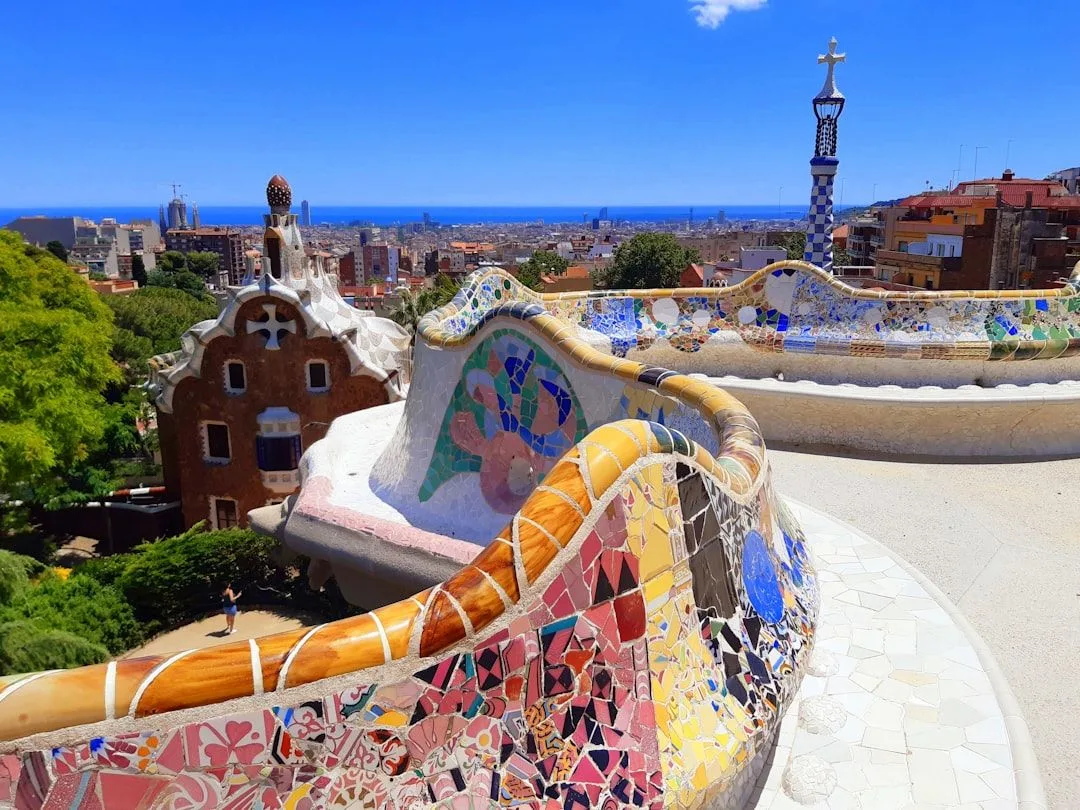
Spain has four languages with official status in different regions. Which one is spoken where changes what a long stay involves, and it explains most of what visitors find confusing about Spanish regional identity.
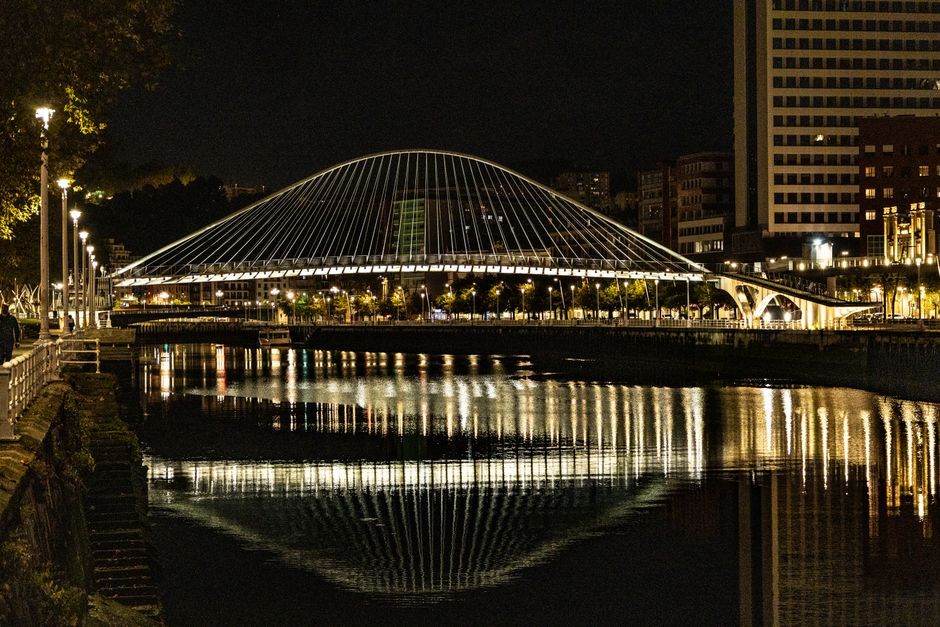
The four
Castilian Spanish, nationwide, and what everyone means by Spanish.
Catalan — Catalonia, the Balearics, and in a Valencian form in Valencia. A Romance language closer to Occitan than to Spanish, and used in schools, signage and administration.
Basque (Euskara) — the Basque Country and parts of Navarre. A language isolate with no known relatives, unrelated to Spanish or any other European language, predating the arrival of Indo-European languages. This is why it looks and sounds unlike anything around it.
Galician — Galicia, in the northwest. Closely related to Portuguese, and mutually intelligible with it to a large degree.
What this means practically
Spanish is understood everywhere and no one expects a visitor to learn a regional language.
What matters is knowing which language a region uses, and a few words of it. Bon dia in Barcelona, kaixo in Bilbao, bo día in Santiago — all noticed, all appreciated, none expected.
It also explains the signage, the place names appearing in two forms, and why a Catalan or Basque person might not think of themselves as primarily Spanish.
This is a live political subject in Catalonia and the Basque Country. Having opinions about it as a visitor is unnecessary; understanding that it exists is useful.
Where to learn Spanish
Castile — Salamanca, Valladolid, Burgos.
Castilian is spoken there with the clearest pronunciation, no regional language competes for daily use, and Salamanca in particular has a language school industry built around it.
Andalusia has a strong accent that drops final consonants and softens others, which is harder for beginners and perfectly good once you have a foundation.
Catalonia and the Basque Country mean hearing two languages daily, which slows Spanish acquisition for a beginner.
The regional food cultures
Which differ as much as the languages.
Basque — pintxos on the bar, taken and paid for on trust, and a cooking tradition regarded as among the best in Europe. Also txokos, private gastronomic societies, which are members-only and central to Basque social life.
Catalan — calçotada in winter, seafood and mountain traditions meeting, and pa amb tomàquet.
Galician — the best shellfish in Europe, octopus, and Albariño.
Andalusian — fried fish, gazpacho and salmorejo, and in Granada the free tapa with every drink.
The social structures worth joining
Intercambio — language exchange evenings, in every university city, free, and the most reliable way to meet people.
Peñas and casals — neighbourhood social clubs, particularly around festivals.
Hiking clubs, which are widespread and take newcomers.
Local festivals — every town has its fiestas, and participating rather than watching is the difference.
Practical
Meal times — lunch at 2pm, dinner from 9pm — are the adaptation that matters most on a long stay.
The evening starts late and streets fill after eight, year round.
August empties the cities, and many businesses close.
90-day Schengen rule for non-EU visitors.