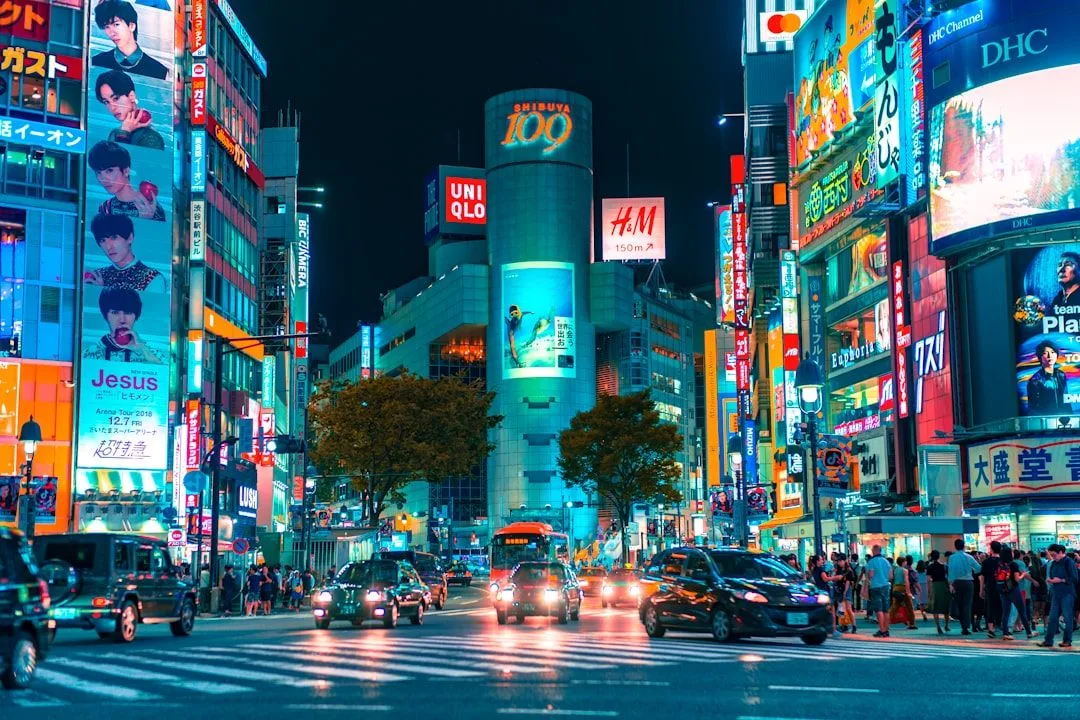
Japan's best long-stay cities are not the ones on itineraries. They are the ones with universities, working ports and no international profile — which is also why they cost half what Tokyo does.
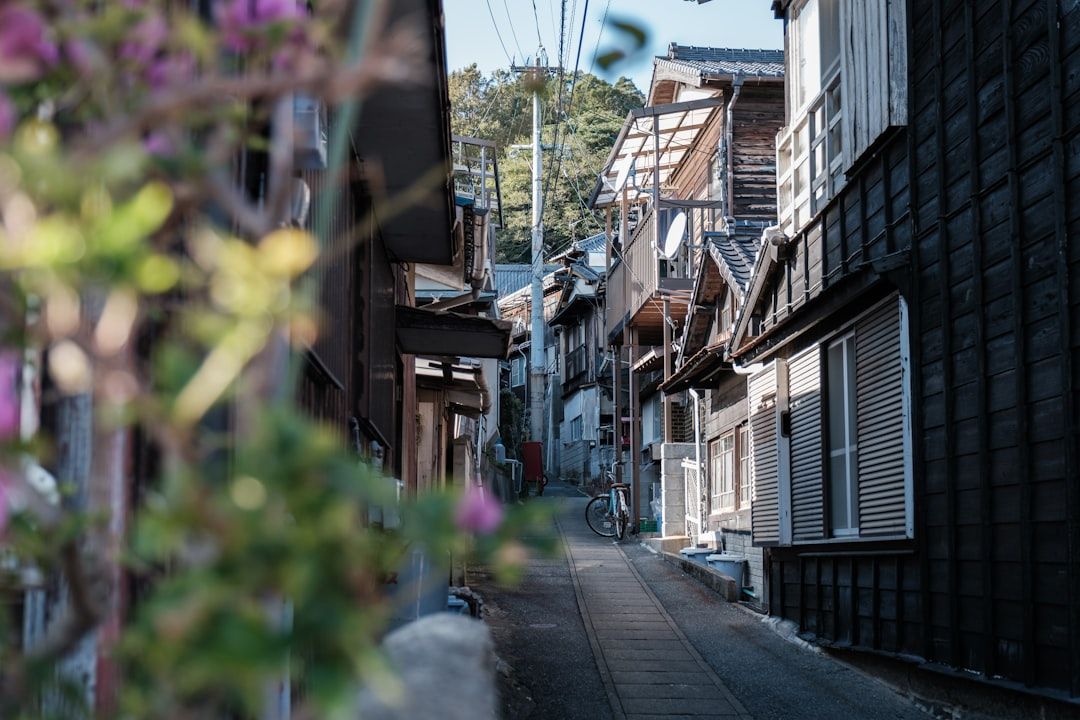
Fukuoka
The strongest all-round option.
The cheapest major Japanese city, with rents 30–50% below Tokyo for equivalent accommodation.
The airport is roughly ten minutes from the centre by subway, which is remarkable for a city of 1.6 million and makes weekend flights trivial.
The food — tonkotsu ramen originated here, and the yatai street stalls that set up along the river at night are unlike anywhere else in Japan.
Kyushu for weekends — Beppu and Yufuin's onsen, Mount Aso's caldera, Nagasaki, and Kagoshima facing an active volcano.
Compact, coastal, and with a large student population.
Kanazawa
Two and a half hours from Tokyo by shinkansen, and effectively a quiet Kyoto.
Kenrokuen, one of Japan's three great gardens. A preserved samurai district and three geisha quarters. The 21st Century Museum of Contemporary Art. Omicho market for Japan Sea seafood.
Small enough to learn in a fortnight, with the Noto peninsula and the Alps nearby.
It rains and snows a lot, which is why the gardens are what they are.
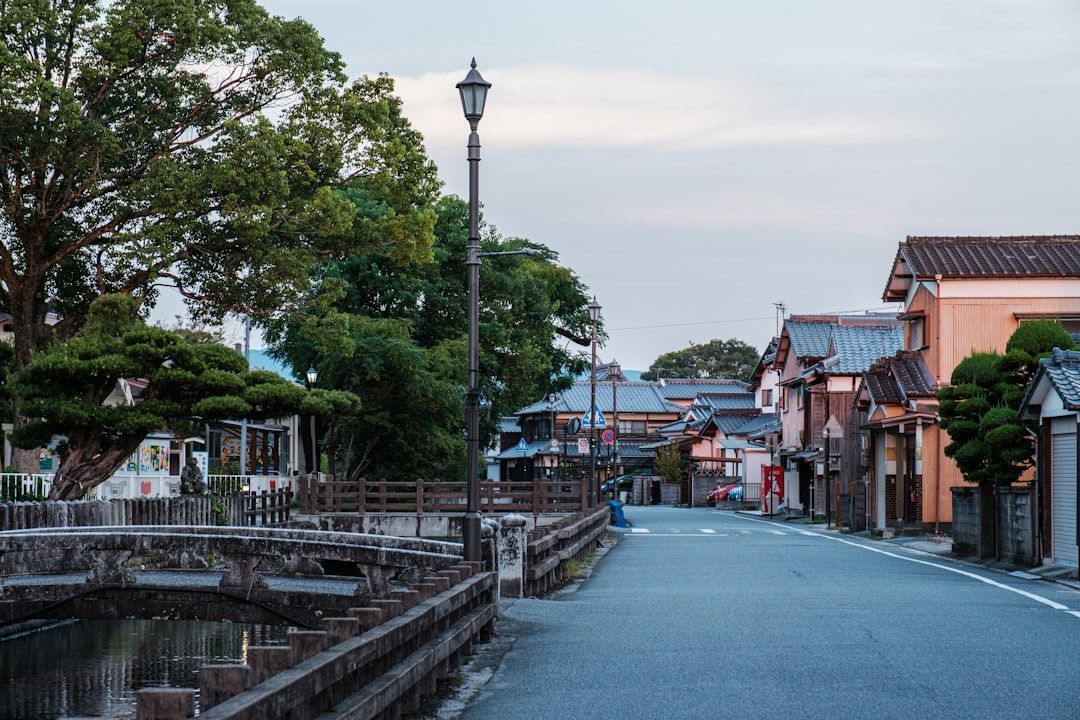
Matsuyama
On Shikoku, and almost entirely overlooked internationally.
One of Japan's twelve surviving original castles, and Dōgo Onsen, among the oldest hot springs in the country and the model for the bathhouse in Spirited Away.
On the 88-temple pilgrimage route, so there is a constant quiet flow of walkers.
Considerably cheaper than the main island cities.
Sapporo
The summer answer. Honshu's summer humidity is genuinely oppressive, and Japanese domestic travellers head to Hokkaido for exactly this reason.
A grid-planned city, unusual in Japan, with beer, seafood and a food culture of its own.
Winter is severe and is also the point — the snow festival, and skiing an hour away at Niseko.
The others
| City | For |
|---|---|
| Okayama | Cheap, central, good rail access, Kōrakuen garden |
| Hiroshima | Rebuilt city, Miyajima nearby, okonomiyaki |
| Naha, Okinawa | Subtropical, distinct culture, winter warmth |
| Nagasaki | Hillside port with Dutch and Portuguese history |
| A Tokyo ward | Kōenji, Yanaka, Shimokitazawa — village life in the city |
Accommodation
Share houses — furnished rooms on flexible monthly terms, which exist because conventional Japanese leases involve deposits, guarantors and key money that make them impractical for short stays.
Monthly mansions — furnished studios let by the month, aimed at business travellers, cheaper than hotels.
Typical share house rooms run ¥50,000–80,000 monthly outside Tokyo; monthly studios ¥80,000–130,000.
Practical
Many nationalities receive 90 days on arrival; some receive less. Working on a tourist entry is not permitted.
Rubbish separation is strict and varies by municipality, with specific days for specific categories.
Tattoos can bar entry to public baths, which matters more on a long stay when the sentō becomes routine.
Supermarkets discount prepared food heavily in the last hour before closing.
No JR Pass for a single-base stay; buy individual tickets for weekends.