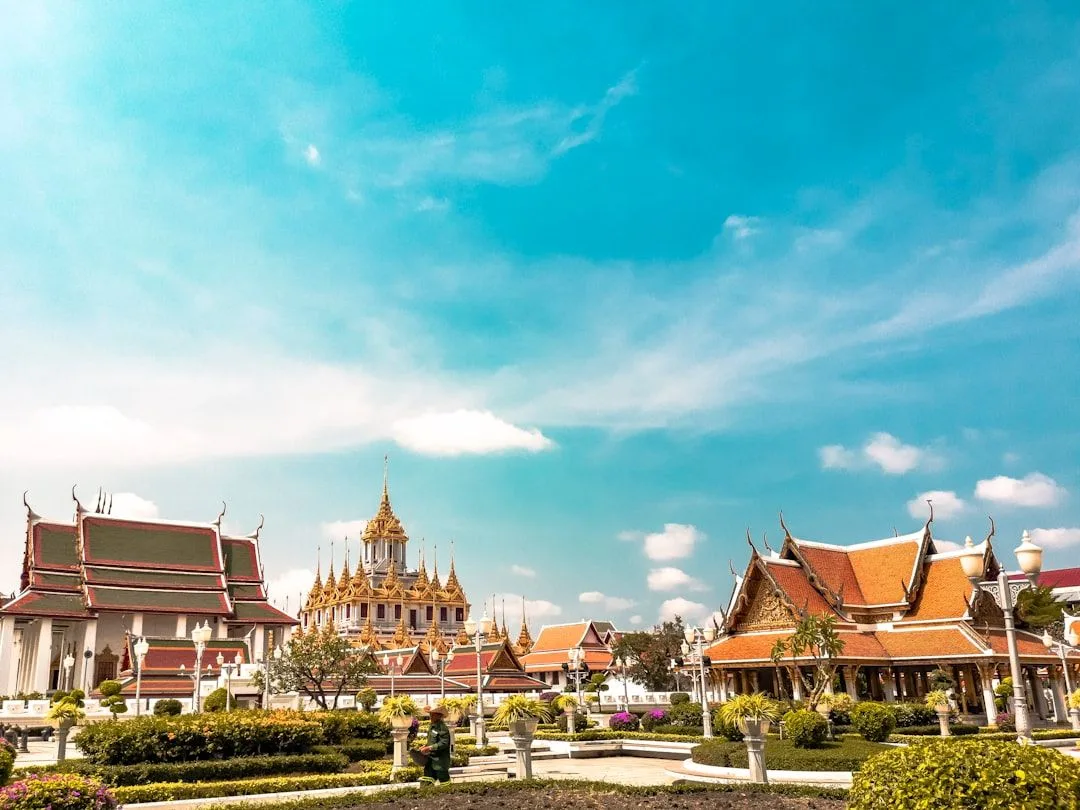
Bangkok is organised around its elevated and underground train lines. Where you live relative to them determines the daily experience more than the district's character does.
The train line rule
Live within walking distance of a BTS or MRT station.
Traffic makes any journey off the network unpredictable — a five-kilometre trip can take fifteen minutes or fifty depending on the hour.
The trains are fast, air-conditioned and reliable, and everything about the city becomes easier from a station.
Rents fall sharply a few stops further out while remaining fully connected, which is the arbitrage.
The districts
Ari — north on the BTS, residential, with independent cafés, small restaurants and low-rise streets. Popular with young Thais and long-stay foreigners, and cheaper than Thonglor.
Thonglor and Ekkamai — the established expatriate strip, with the best restaurants and bars and prices to match.
Phrom Phong — central Sukhumvit, convenient, with a large Japanese community and everything within reach.
Silom and Sathorn — the business district, busy on weekdays and quiet at weekends, with Lumphini Park adjacent.
Phaya Thai and Ratchathewi — central, cheaper, and connected to the airport rail link.
Bang Kachao side — across the river, quieter, and near the green island.
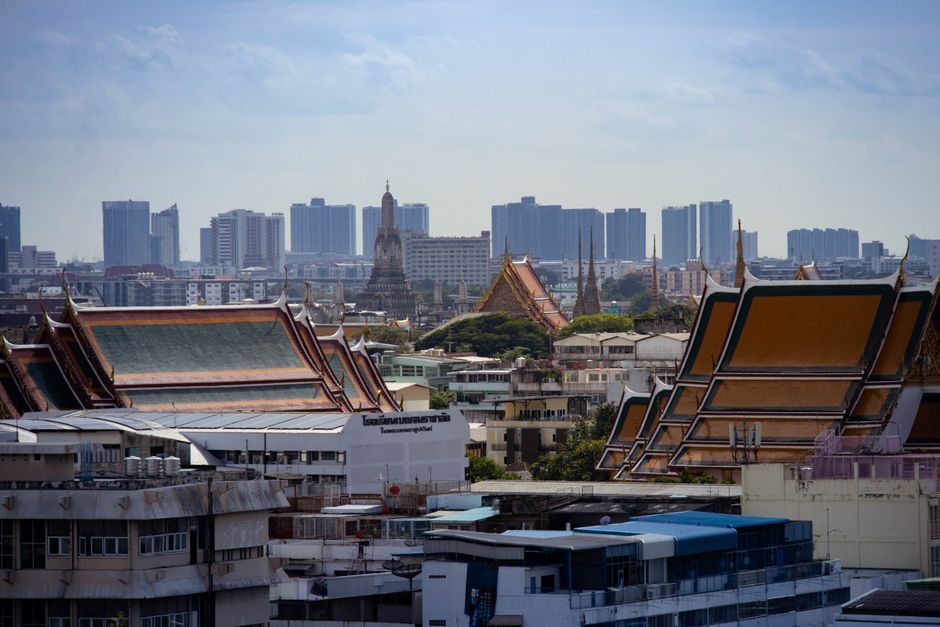
The old city near the temples is atmospheric and badly served by the train network, which costs you daily.
What a month costs
| Item | Monthly |
|---|---|
| Furnished 1-bed condo | ฿15,000–30,000 |
| Street food, per meal | ฿40–80 |
| Food court meal | ฿60–100 |
| Restaurant meal | ฿250–500 |
| BTS/MRT, daily use | ฿1,500–2,500 |
| Co-working | ฿4,000–8,000 |
Condo rentals usually include a pool and gym, which is standard rather than luxury in Bangkok buildings.
Eating local versus western is the entire budget difference — a street meal costs a fifth of a western café one.
The daily rhythm
The soi — the side street — is the unit of neighbourhood life. Your soi has its food stalls, its laundry, its motorcycle taxi rank, and within a fortnight they know you.
Motorcycle taxis at the mouth of each soi are the local solution for the last kilometre from the station, with fixed local rates.
Laundry by the kilogram at shops on most sois, costing almost nothing.
7-Eleven for everything, at all hours, and there is one on every street.
Markets — the fresh market rather than the night market, which is where the produce is.
What a month gives you
Bang Krachao — the green island ten minutes by boat, for cycling at weekends.
The river and canals, which are transport rather than attractions.
Weekend trips — Ayutthaya, Kanchanaburi, Khao Yai, and cheap flights to anywhere in the region.
A cooking course, early, which changes how you eat for the rest of the stay.
Practical
Visa exemption periods vary by nationality and have changed in recent years; check the current position.
Air quality in the dry season, roughly January to April, can be poor. Check forecasts.
The heat is constant. Structure the day around it — outdoors early and late, indoors in the middle.
Do not rent a scooter in Bangkok. The trains and Grab cover it.